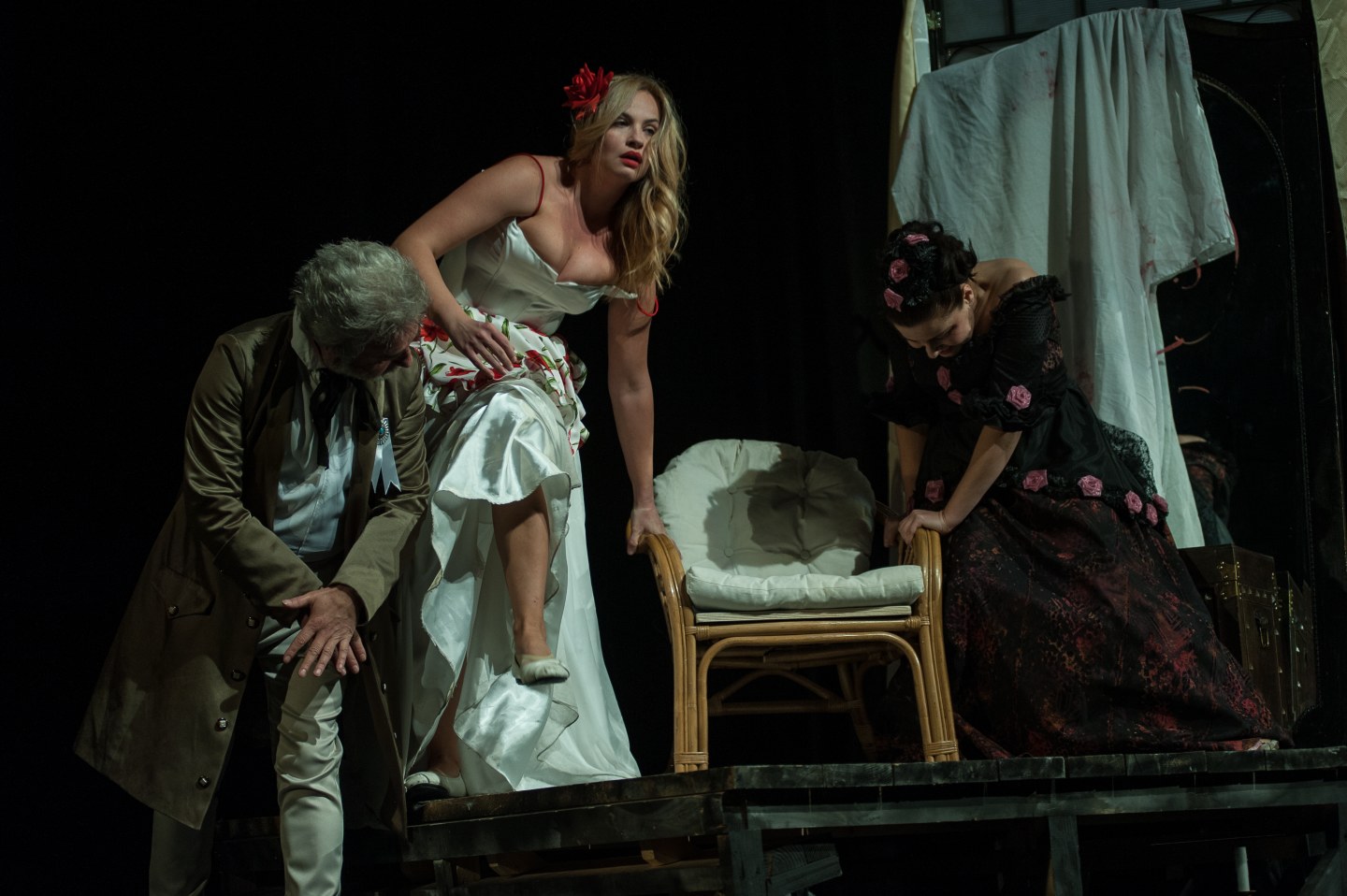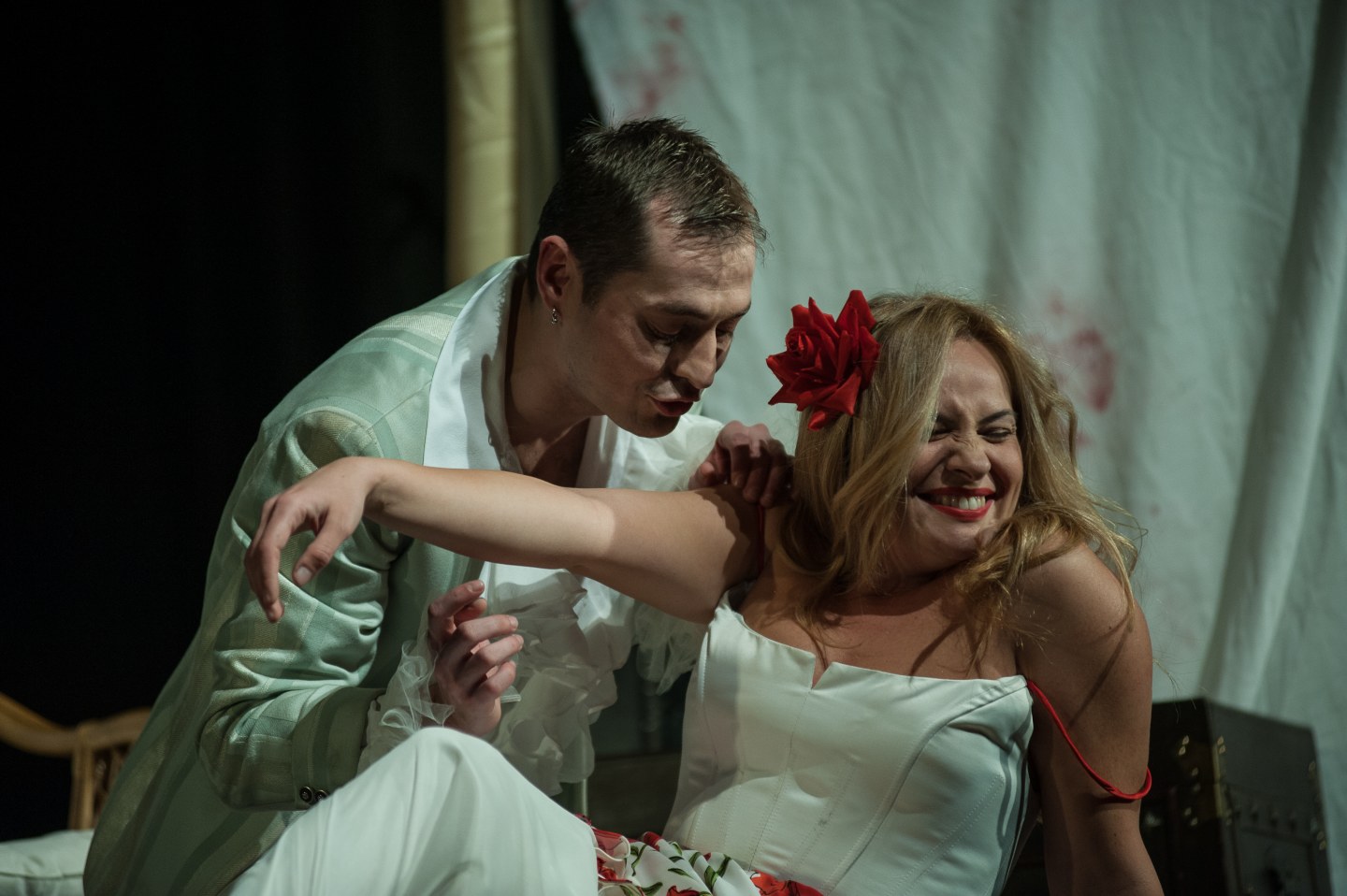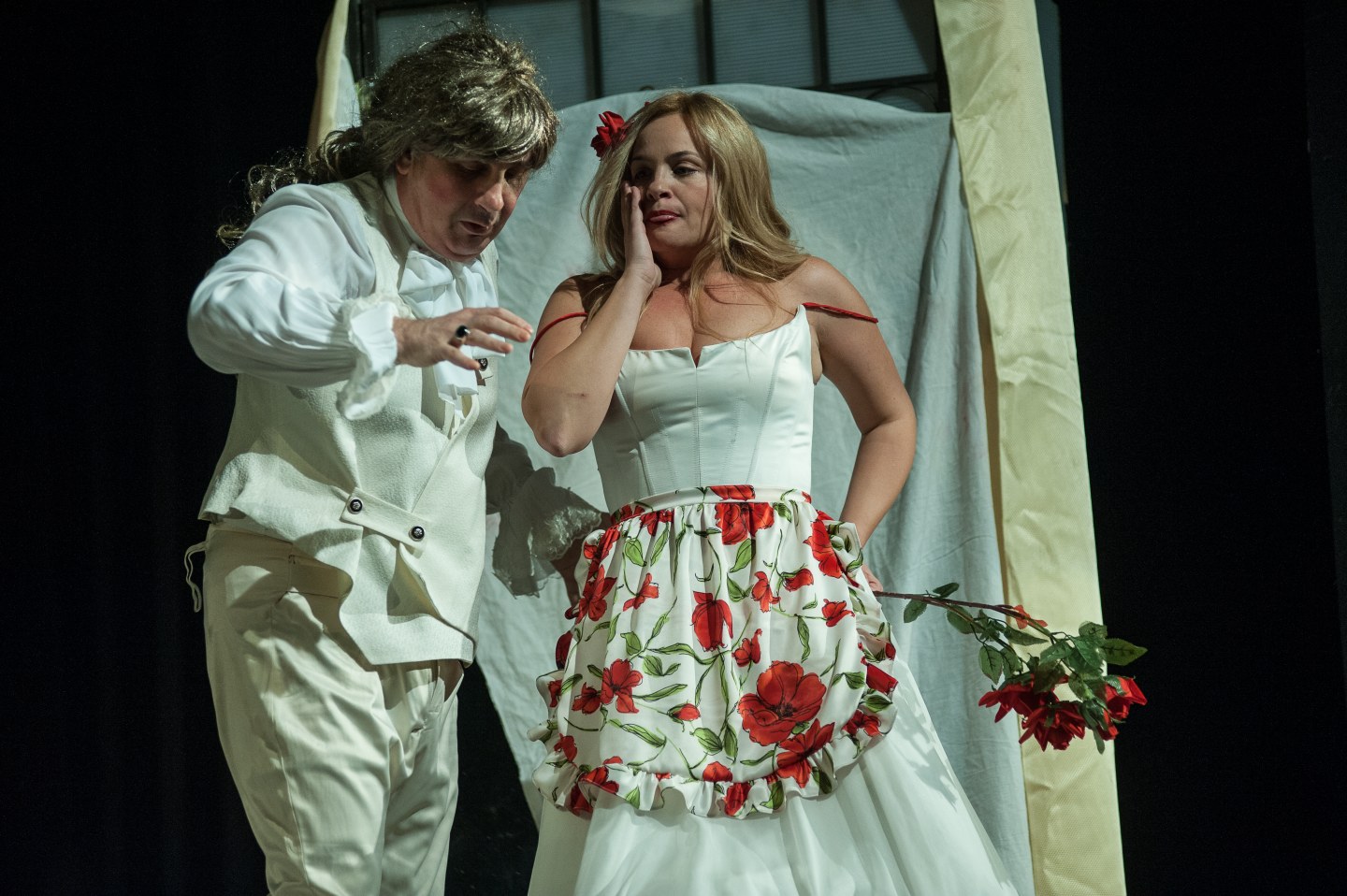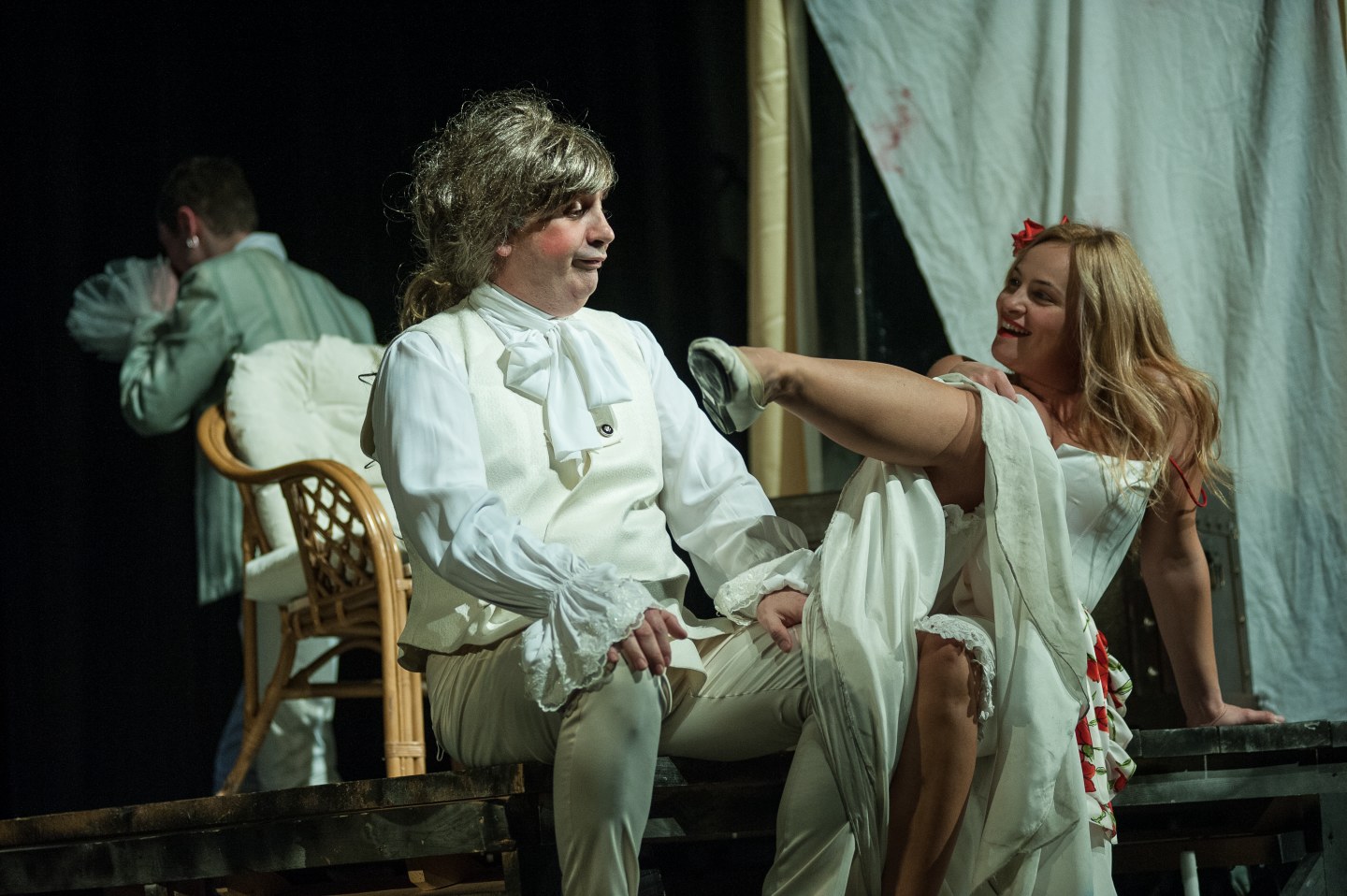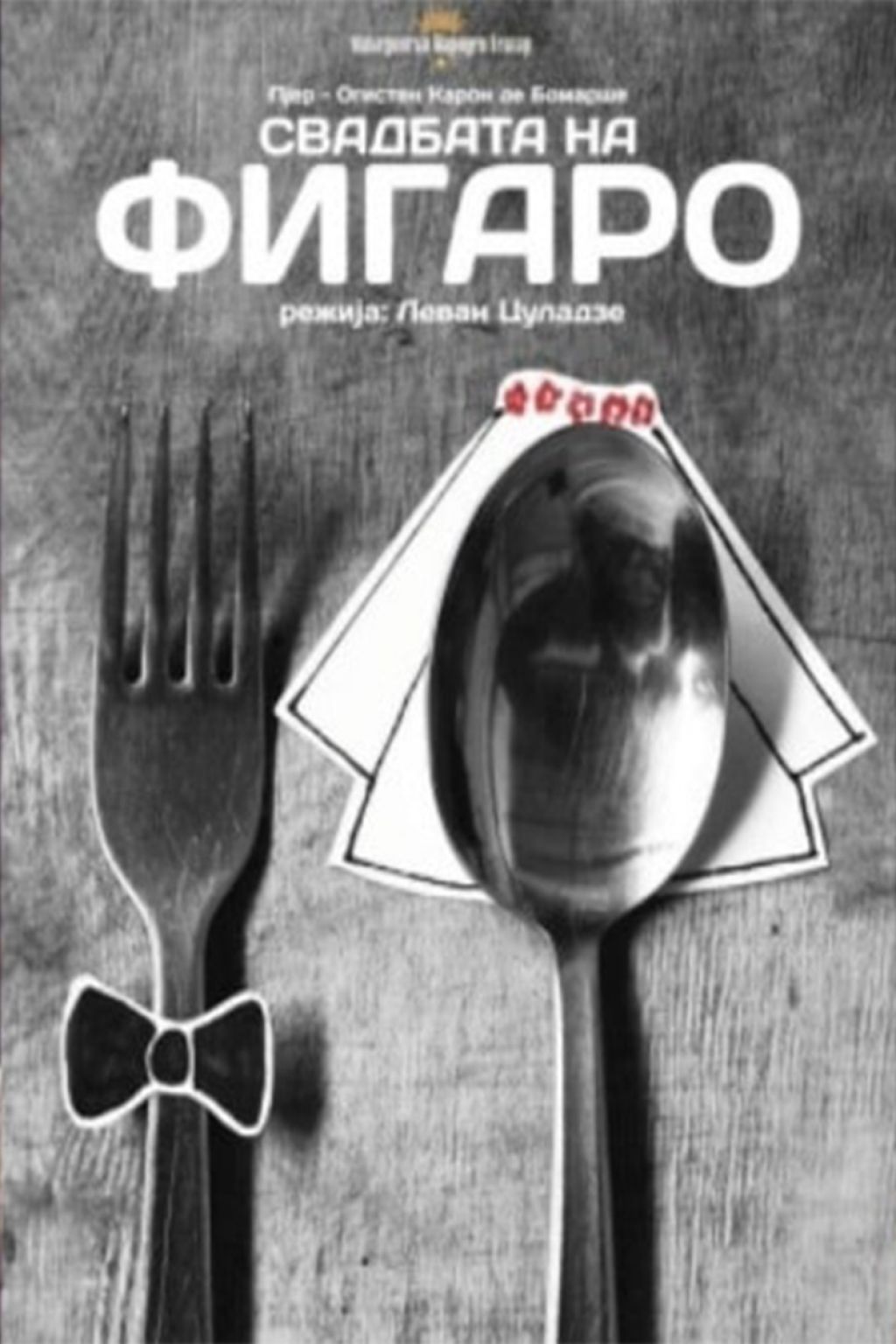
"Figaro, Renowned Fictional Hero"
Figaro, a character of immense fame and a name that resonates across the globe, has been masterfully portrayed and poked fun at by some of history's greatest writers (Beaumarchais, Ödön von Horváth...), composers (Mozart, Rossini...), filmmakers (Walt Disney...), comic artists (The Topper), and even modern video game developers (Final Fantasy VI...). The name has also found its way into the world of automobile design (Nissan Figaro) and even hair styling products. I would venture to say that even the least curious among us have heard of one of Europe's oldest, most esteemed, and influential newspapers, Le Figaro, which has been in continuous publication for over 185 years (since its first issue on January 15, 1826), and is aptly named after the fictional Spanish barber of French origin.
Figaro is an ancient, distinctly humorous Spanish/Italian name that translates to "barber." A barber, after all, is a master craftsman: ever-present (doesn't the day begin with a shave?), seasoned (doesn't he work with sharp tools?), sociable, trustworthy, well-informed, quick-witted, and always ready with a joke. Throughout history, barbers have often taken on medical roles, from stitching wounds to bloodletting, treating constipation, and even extracting teeth. This makes the barber an ideal prototype for a comic hero, as demonstrated by ancient myths, medieval farces, and Italian comedies that featured him as brave, clever, mischievous, and cunning. In commedia dell'arte, he takes on the role of Brighella, the second servant, with Arlecchino as the first.
Both literary and theatrical histories unanimously credit Beaumarchais as Figaro's main champion and creator. It was Beaumarchais who, for the first time, gave him a name fitting his profession—calling him Figaro, cementing his place in the world of comedy.
CAST
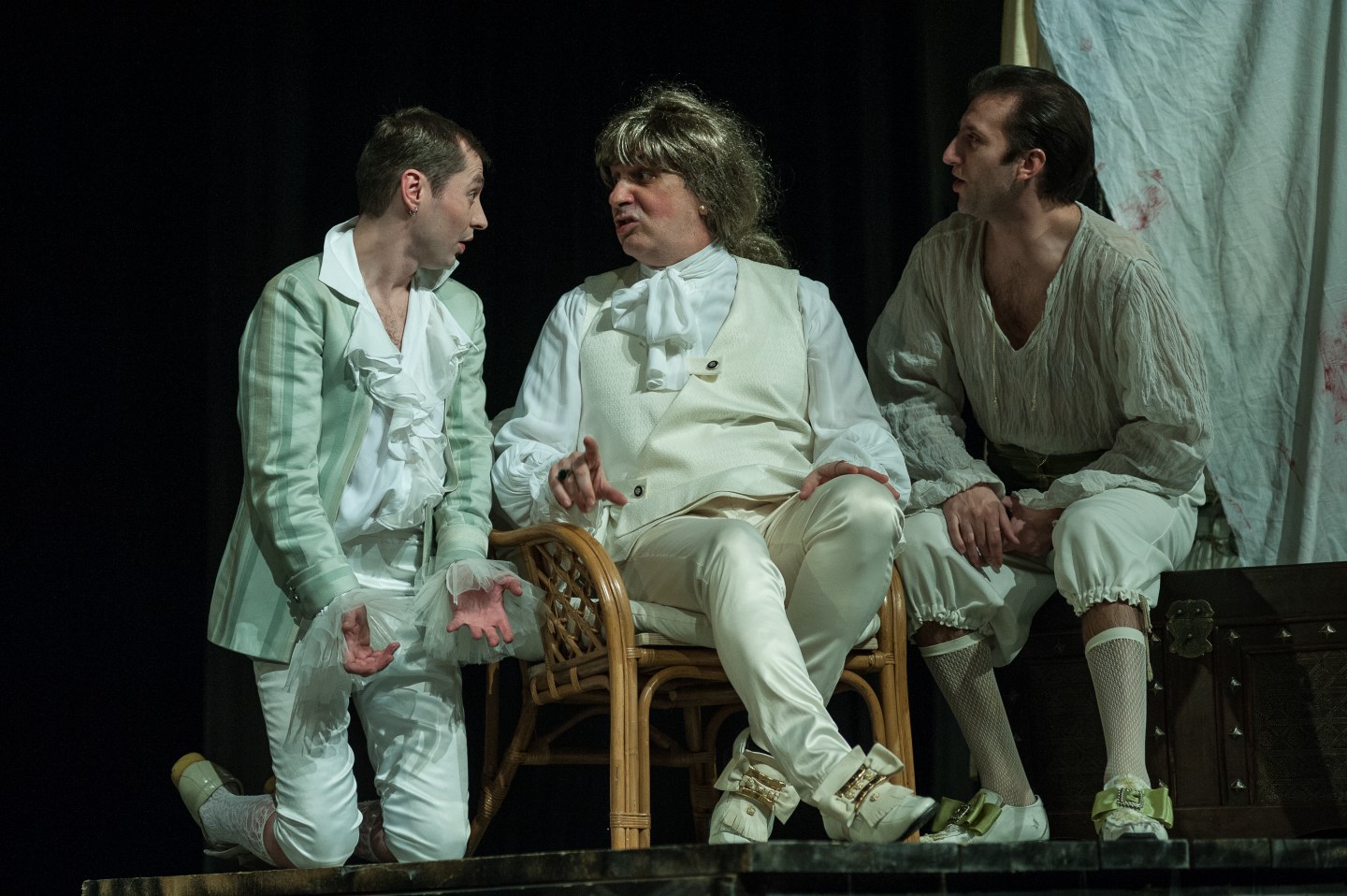
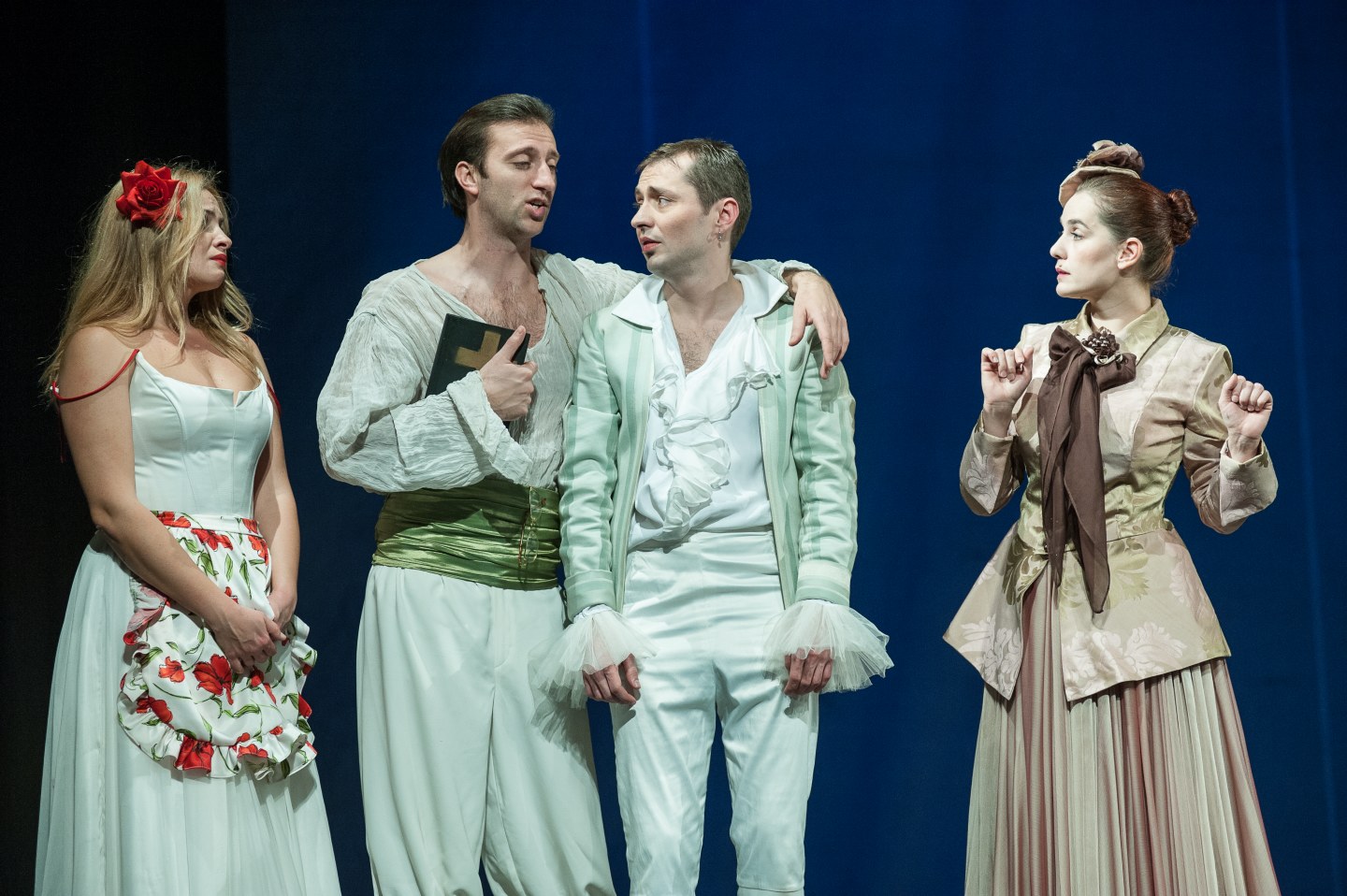
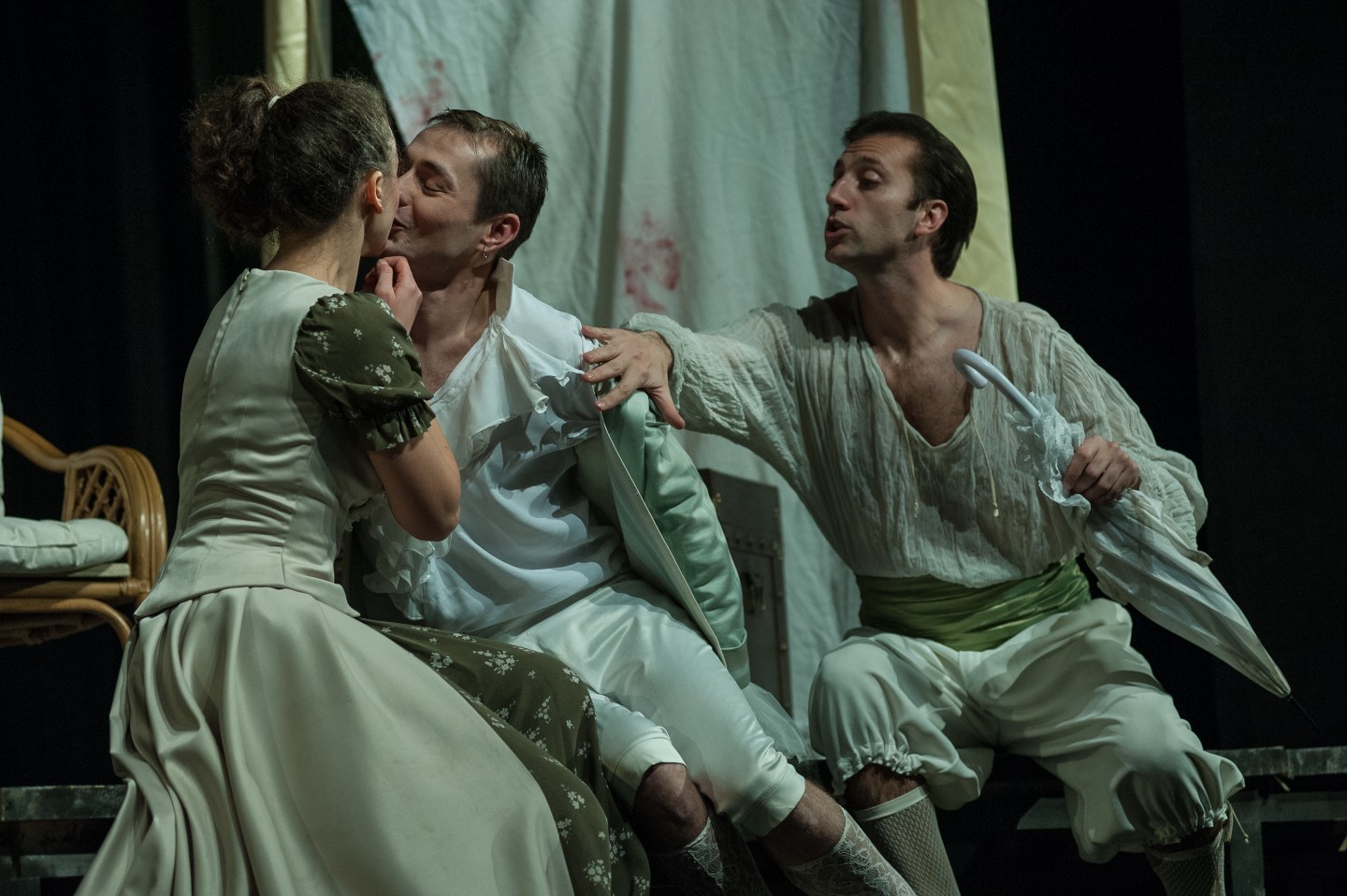
Nino Levi – Count de AlmavivaNikolina Kujacha/Sashka Dimitrovska – Countess Rosine
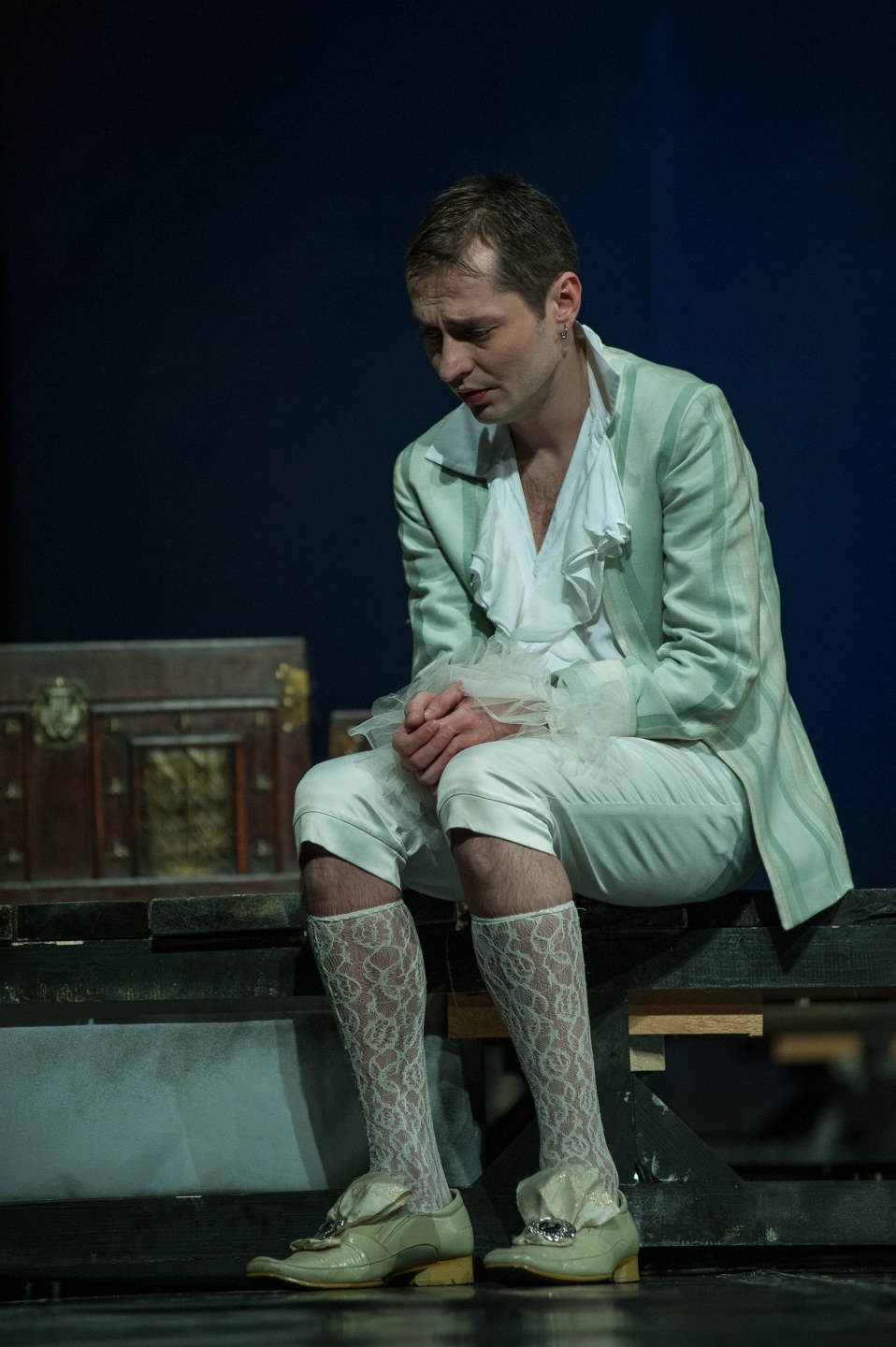
Sashko Kocev – Figaro
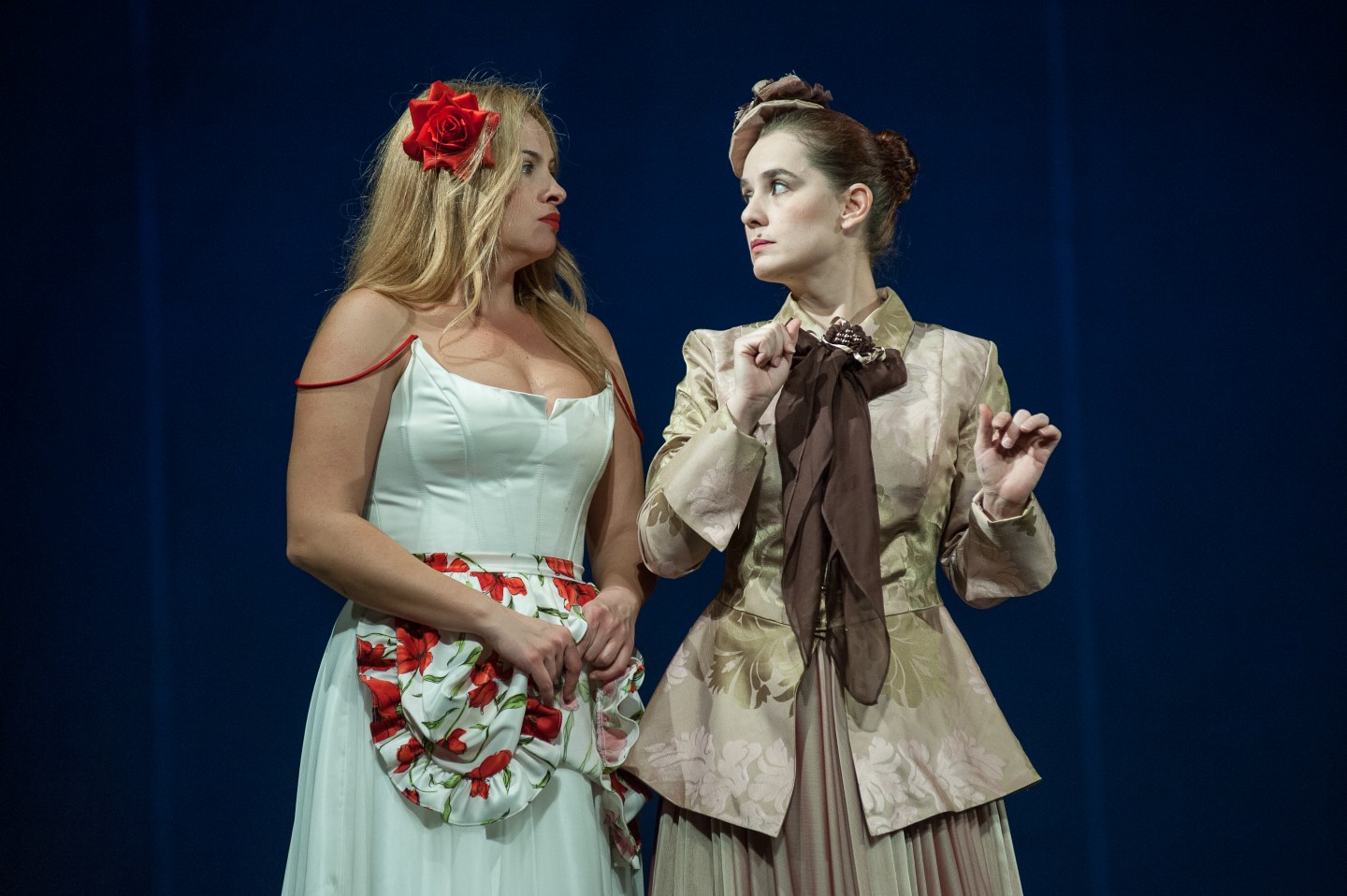
Sashka Dimitrovska/Darja Rizova – Susanna
Tome Vitanov – Doctor Bartolo
Marija Novak/Snezana Konevska-Rusi – Marcellina
Dragana Kostadinovska – Fancetta
Slavisha Kajevski – Cherubino
Ivica Dimitrijevic – Don Guzman
CREATIVE AND TECHNICAL TEAM
Associate Director: Andrej Cvetanovski
Set Designer: Valentin Svetozarev
Costume Designer: Kokev and Kadriu
Choice of Music made by Levan Tsuladze
Stage Manager: Nikola Kimovski
Prompter: Zorica Blagoevska
Sound Technician: Alexandar Petrovski
Lighting Technicians: Ilija Tarchugovski, Darko Mladenovski, Gorjan Temelkovski
Proof-reader: Cvetanka Nedanovska
Interpreter: Marija Smirnova
Executive Producer: Simona Ugrinovska
"FIGARO - THE HERO OF THE ALMAVIVA FAMILY TRILOGY"
It all began in 1775 with The Barber of Seville, or The Useless Precaution, a comedy that, after two years of refinement and adjustments, premiered successfully at the Comédie-Française in France. It was an instant hit. But could the bittersweet tale, centered around a seemingly simple wedding yet riddled with misadventures, quirky characters, and countless intrigues, have unfolded in any other way? Let’s skip the details of the disguises, the ink, the voices, and the countless other complexities involved!
Following the tremendous success of his debut, the playwright rushed to pen a sequel, reuniting the same characters for new, even more biting and sharper male-female escapades. This time, however, between the two comic figures—the privileged Count Almaviva and his servant Figaro, who is socially inferior but superior in almost every other way—history itself played a dramatic role. As the story unfolded, it became clear that this narrative trajectory was slowly but inevitably leading toward the 1789 Revolution, the fall of the Bastille, and the Declaration of the Rights of Man.
The comically tragic – or more precisely, tragicomic! – episodes of The Marriage of Figaro, or The Mad Day, seem to revolve around the "principled" issue of someone's hymen, or more specifically, the question of whether to support or oppose the long-held custom that allowed the master the right (even the obligation!) to consummate the marriage of his servants first (ius primae noctis). If this were merely a technical issue, would Beaumarchais’ text have required six rounds of censorship, spanning over two years? In 1783, the yet-to-be-performed comedy was banned by royal decree, igniting heated debates and a wave of notoriety in the process. The intense lead-up to Figaro's famous wedding became well-known even before it premiered at the Comédie-Française in 1784. Was the ban lifted by Louis XVI due to public outcry? And what could the censors have found so dangerously provocative in a seemingly innocent comedy, whose plot revolves around the dubious hymen of a supposedly naive maid?
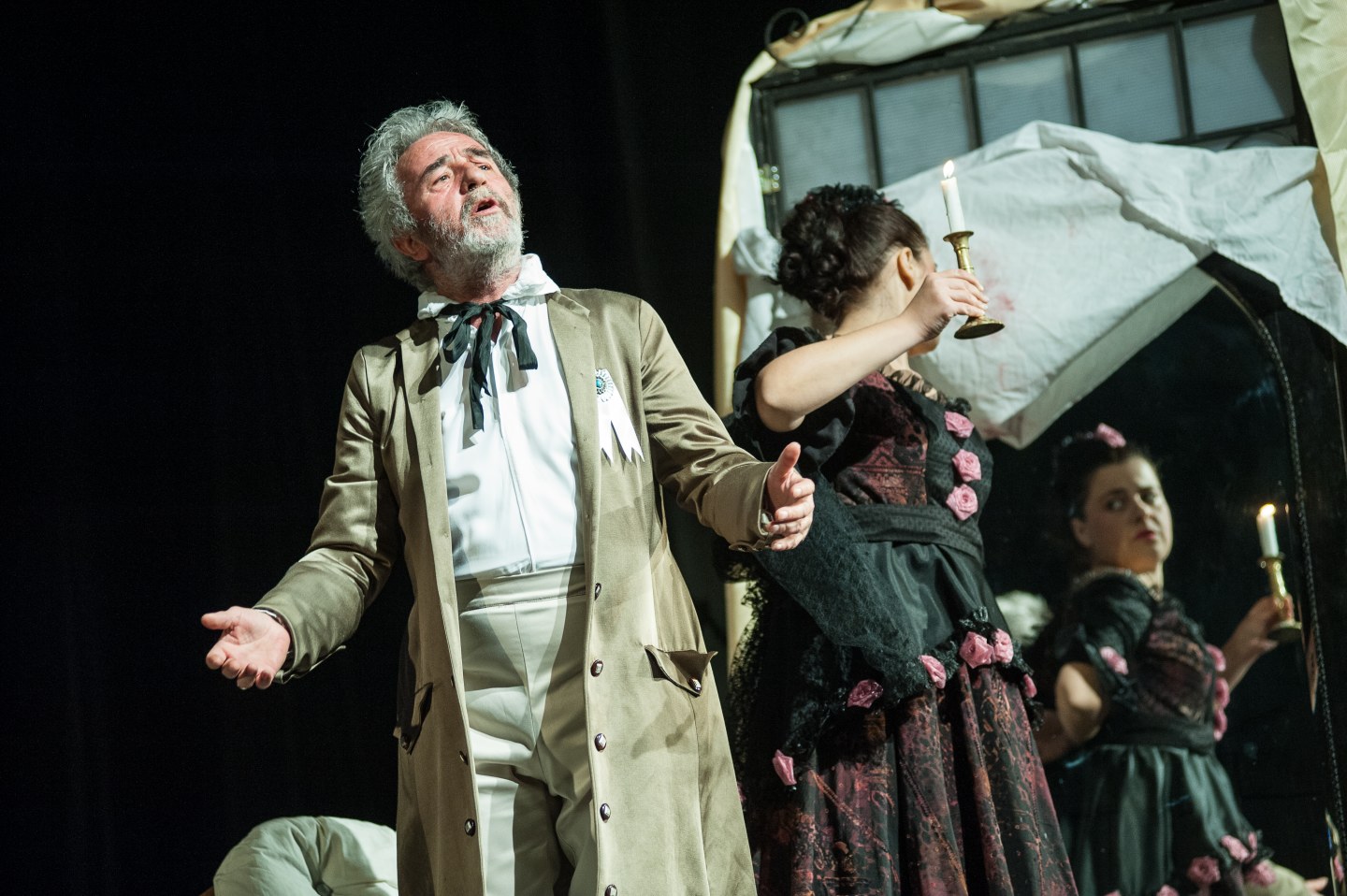
Although constantly bubbling with unexpected twists, The Marriage of Figaro reaches its crescendo in the final act, where it appears that all is lost for Figaro. Alone and enraged, he delivers his iconic monologue, a speech that has since been recognized as one of the most direct and scathing critiques of a society of privilege, the contempt for justice, and the absolute autocracy of authority. Any authority.
Nobility, happiness, status, prestige in society – these are the things that make a person proud. But what have you, Mr. Count, actually done to earn all of that? You simply existed, you were born, and that’s it! In reality, you are just an ordinary human being. I, on the other hand, as one of the masses, have to invest more knowledge and intellect, a knowledge and intellect far greater than what all the rulers of the Spanish Empire could ever muster in an entire century. And you think you can compete with me...
The history of theatre notes that The Marriage of Figaro was so successful that the audience supposedly knew parts of this monologue by heart, chanting it along with the actor during performances. Just five years later, on July 14, 1789, the Bastille was stormed, and France was transformed into a modern state founded on the principles of brotherhood, equality, and liberty. It is rumored that Beaumarchais, who had by then become part of the privileged class, was genuinely frightened for his position after the revolution!
In his third play from the Almaviva family cycle, The Guilty Mother, or The Second Tariff (1792), the once-sharp Figaro has lost all his wit and courage, becoming a moralizing, dull figure… Sic transit gloria mundi...
But not the glory of Figaro. Nothing can threaten it!
THE WEDDING OF THE ETERNAL BACHELOR
We may never know what was thought during the matriarchy, but when it comes to the subject of weddings today, a common male viewpoint is that the bachelor succeeded in avoiding marriage, while the old maid is seen as a failure for not finding a spouse! In the context of dramaturgy during Beaumarchais’ time, metaphorically speaking, the plays were like horse-drawn carriages – but Beaumarchais was the first to create a "sports car!" In The Marriage of Figaro, everything unfolds swiftly, precisely, and effectively, despite the numerous obstacles, twists, and unexpected entanglements. This vibrant comedy is as light as a feather, woven from love jests, absurdities, and intricate schemes! Every word carries the essence of poetry, and every scene feels like an enchanting dance. It is playful, full of fantasy, yet as exact as a mathematical equation. Rarely has a dramatic work managed to so effortlessly reconcile the irreconcilable while radiating such infectious energy and life!
At first glance, The Marriage of Figaro may appear as a classic salon comedy, but beneath its surface, it pulses with sharp, incisive satire, aimed like a sniper's shot at the decadence and vices of society—both then and now—that spirals into the abyss when it forgets fundamental human values. The originality of this work lies in the way the characters seem to remain stagnant, but in reality, they undergo a subtle and gradual development. The protagonist, Figaro (the Count’s valet and steward of the castle/palace), is lively, wise, and dynamic. Contemporary accounts suggest that Figaro closely mirrors the author’s own personality.
When it first appeared, the comedy caused a true revolution in literature due to its unconventional form and content. Addressing weighty topics such as passion, infidelity, the struggle with personal and societal temptations, the potential for societal change, and the illusions sparked by revolution, many have even credited The Marriage of Figaro as a precursor to the French Revolution itself! This play remains one of the most iconic comedies of all time, a rare gem in world dramaturgy that enjoys equal acclaim from both mass audiences and theater connoisseurs alike.
Figaro may marry, but he will always remain a spiritual bachelor at heart!