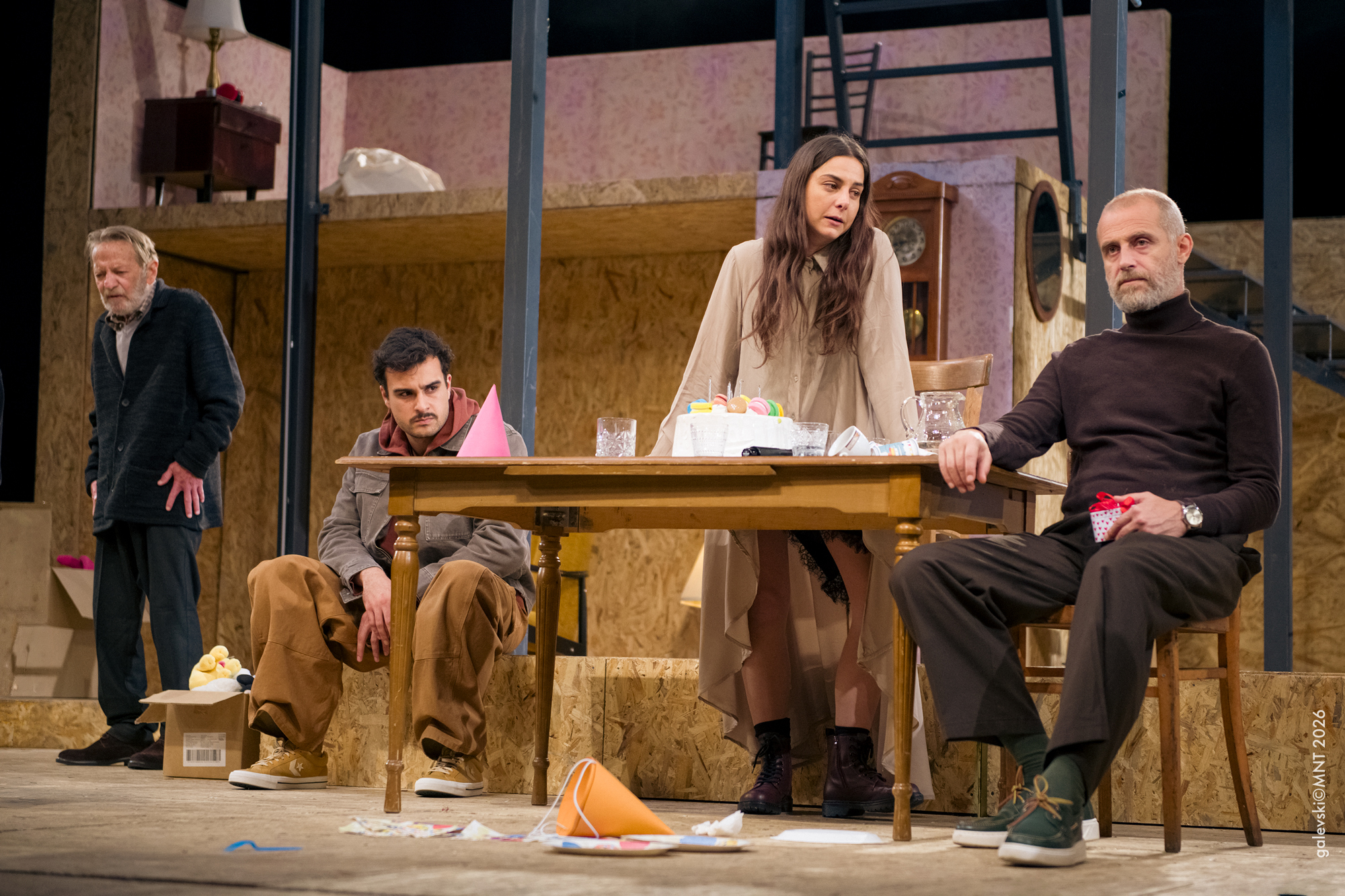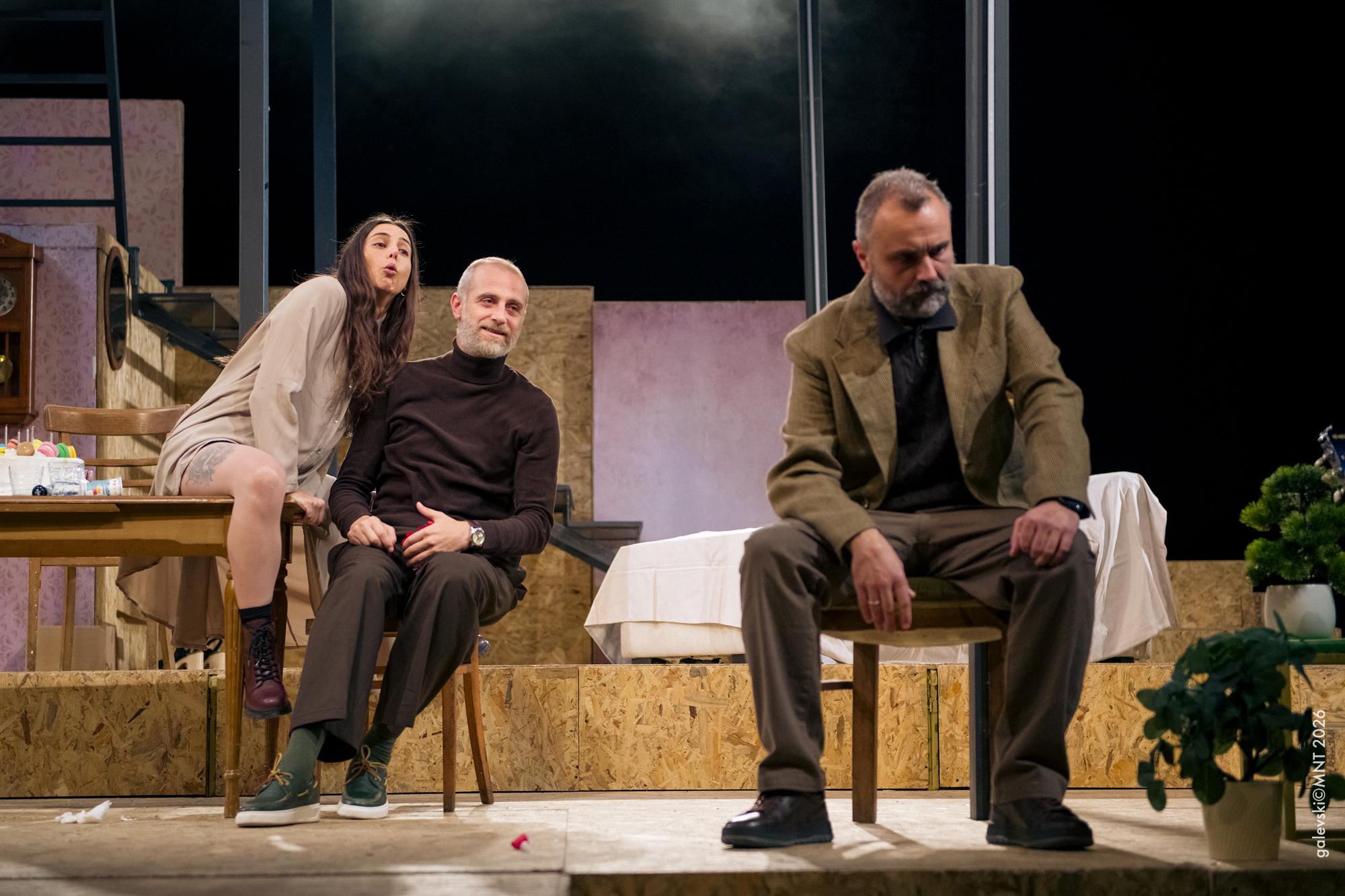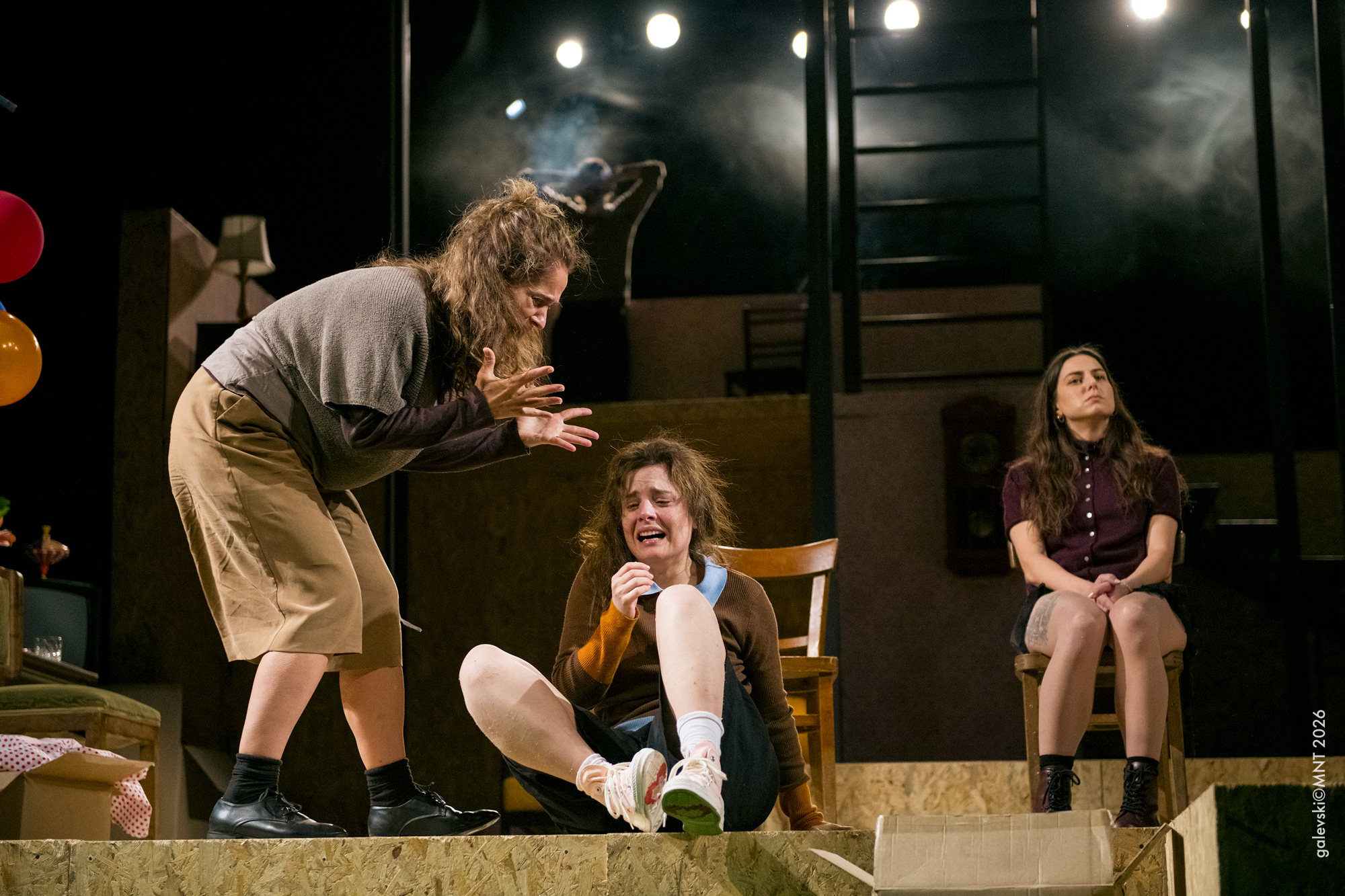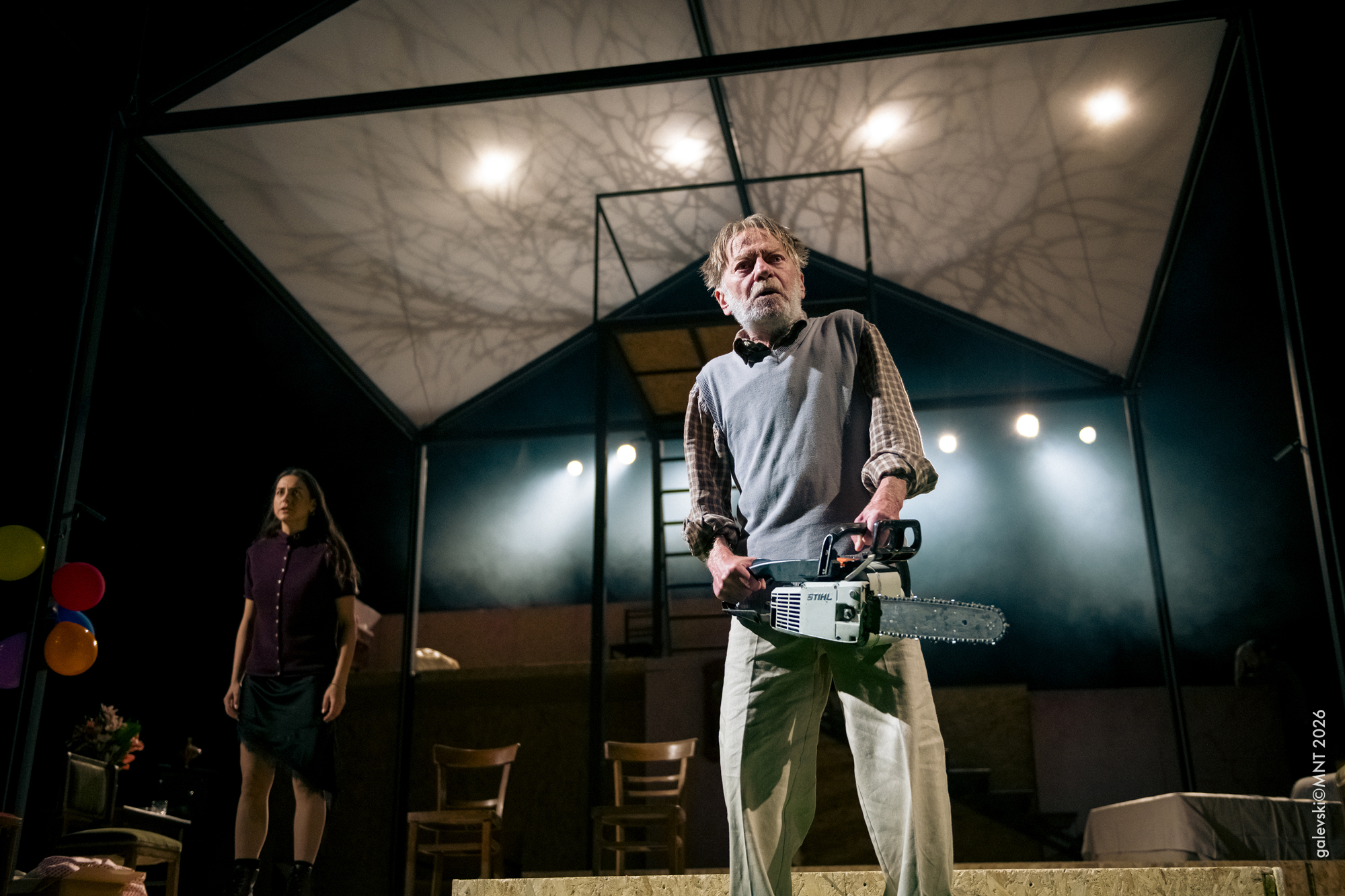
Director’s Note
Why do we want to escape the lives we are living? Why do we sometimes feel like strangers in our own lives and imagine that things might be better somewhere else? Why does a new beginning so often seem possible only in another place, another time, or another version of ourselves?
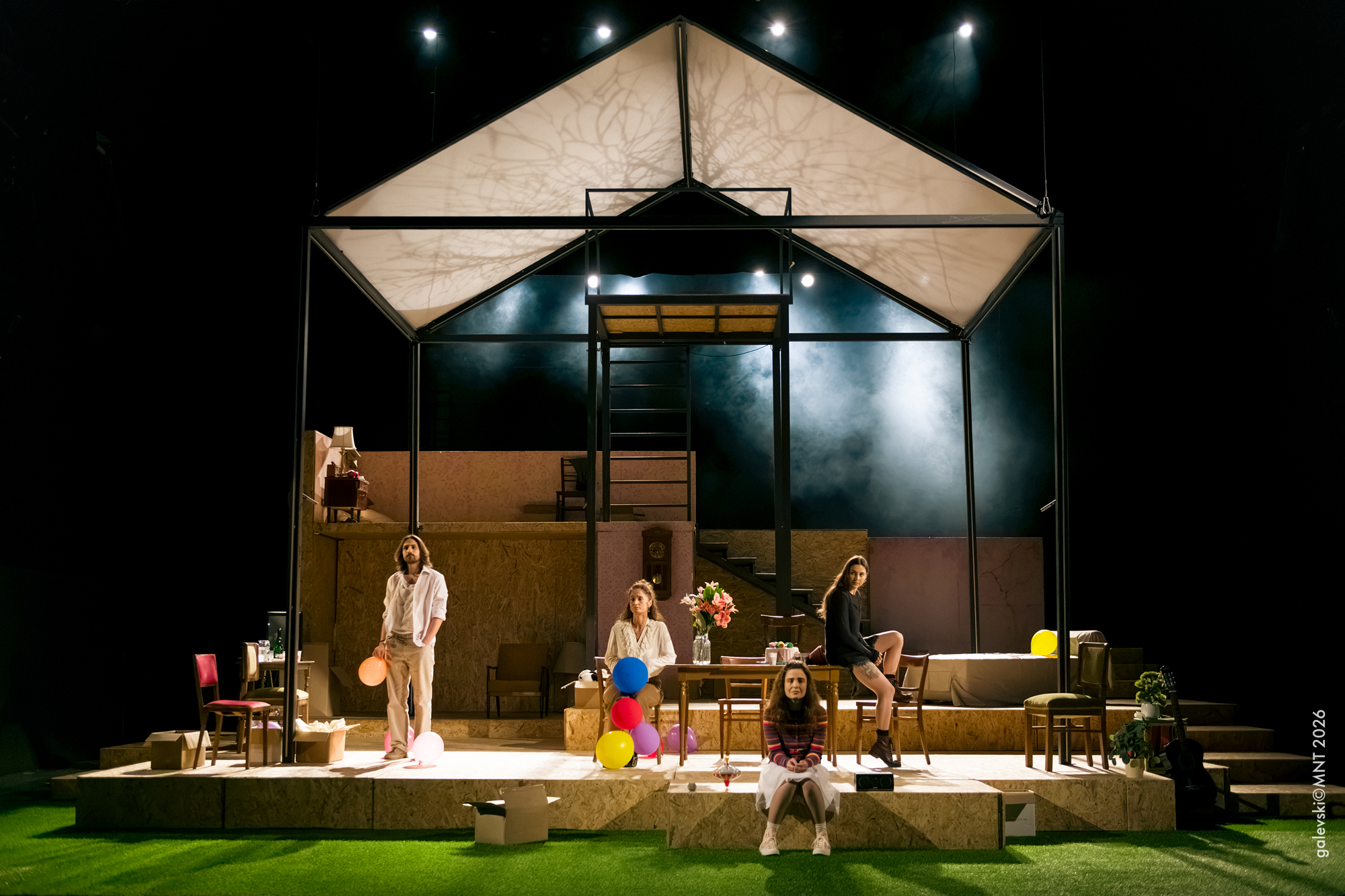
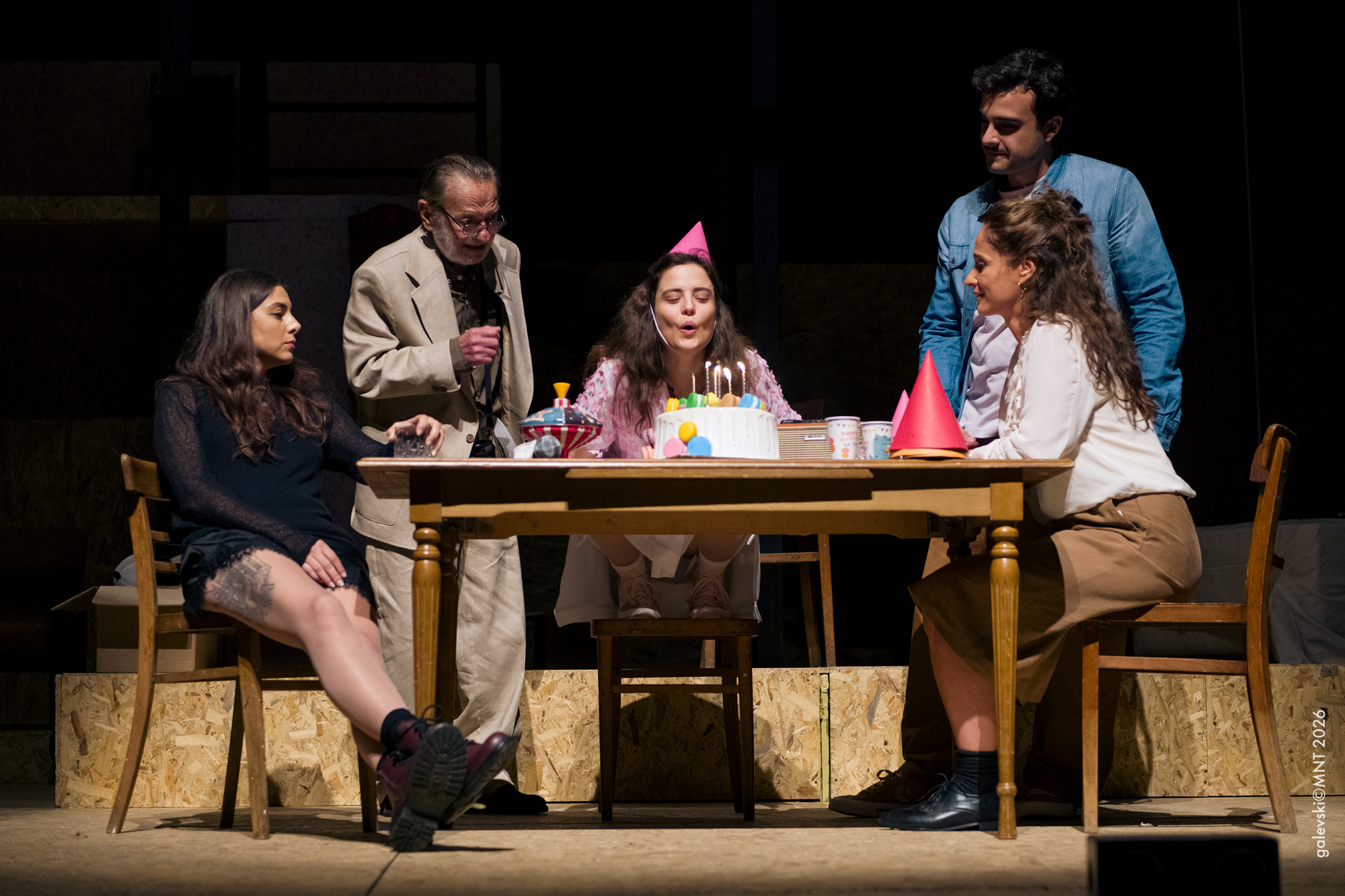
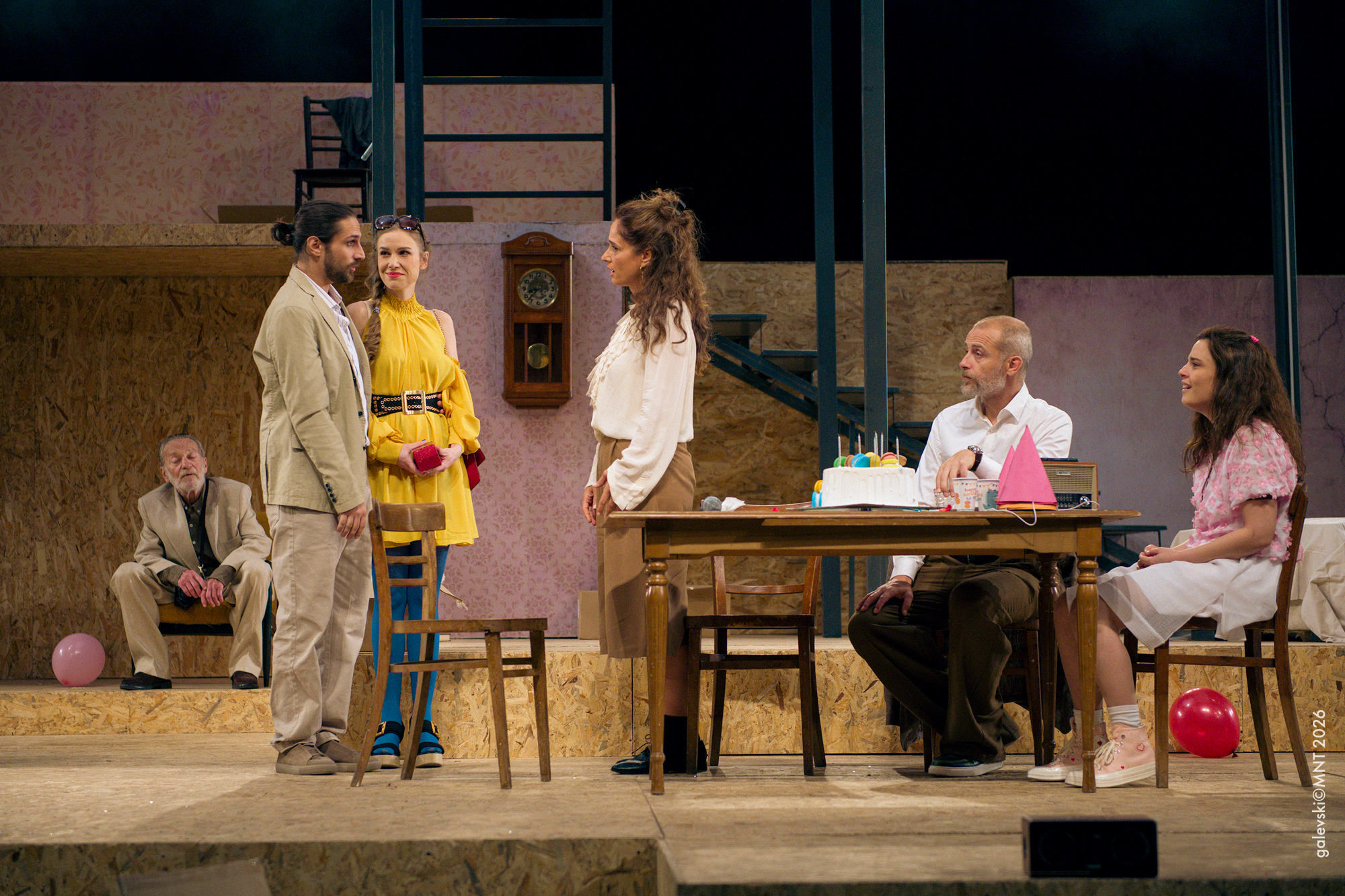
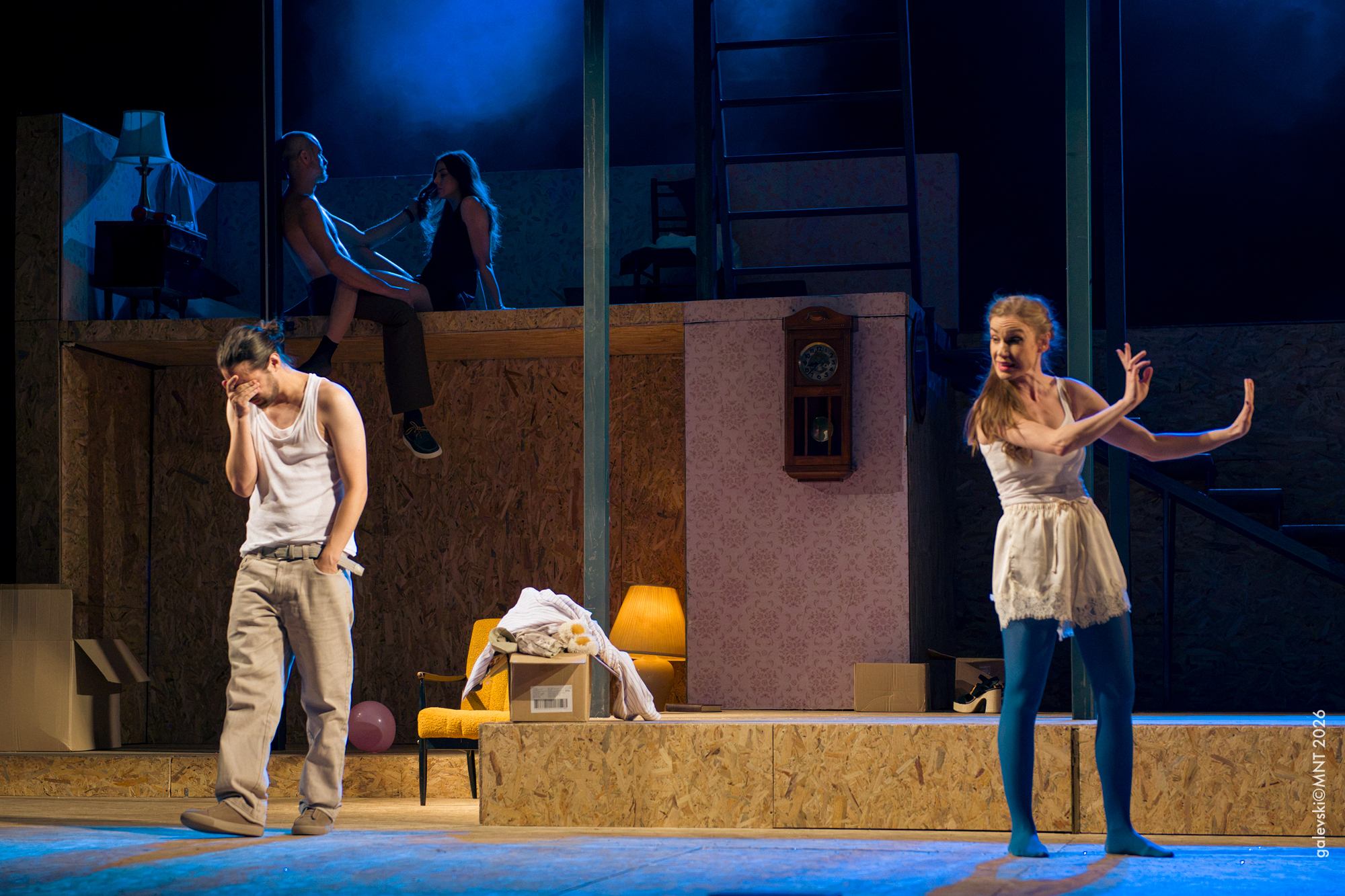
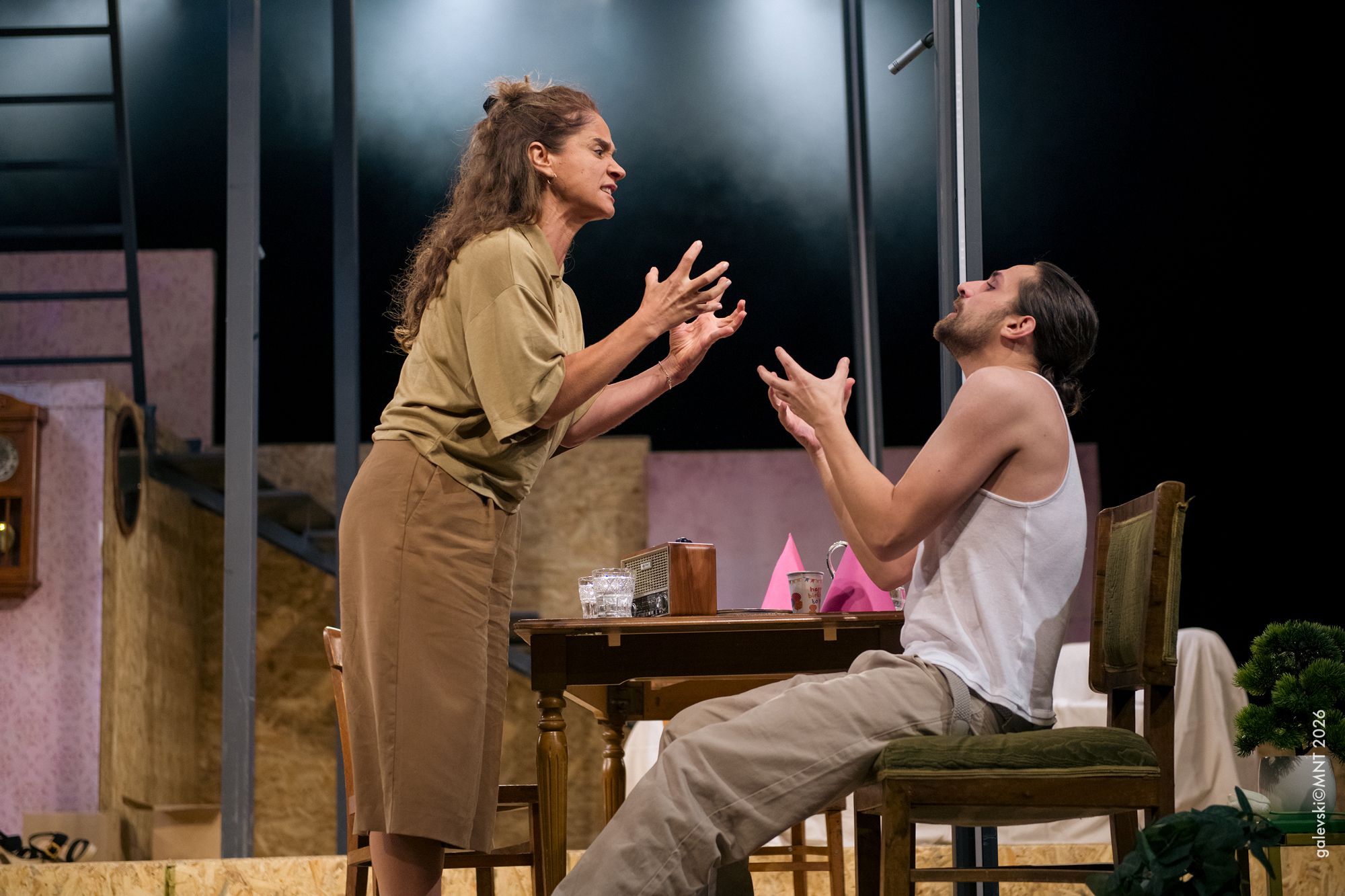
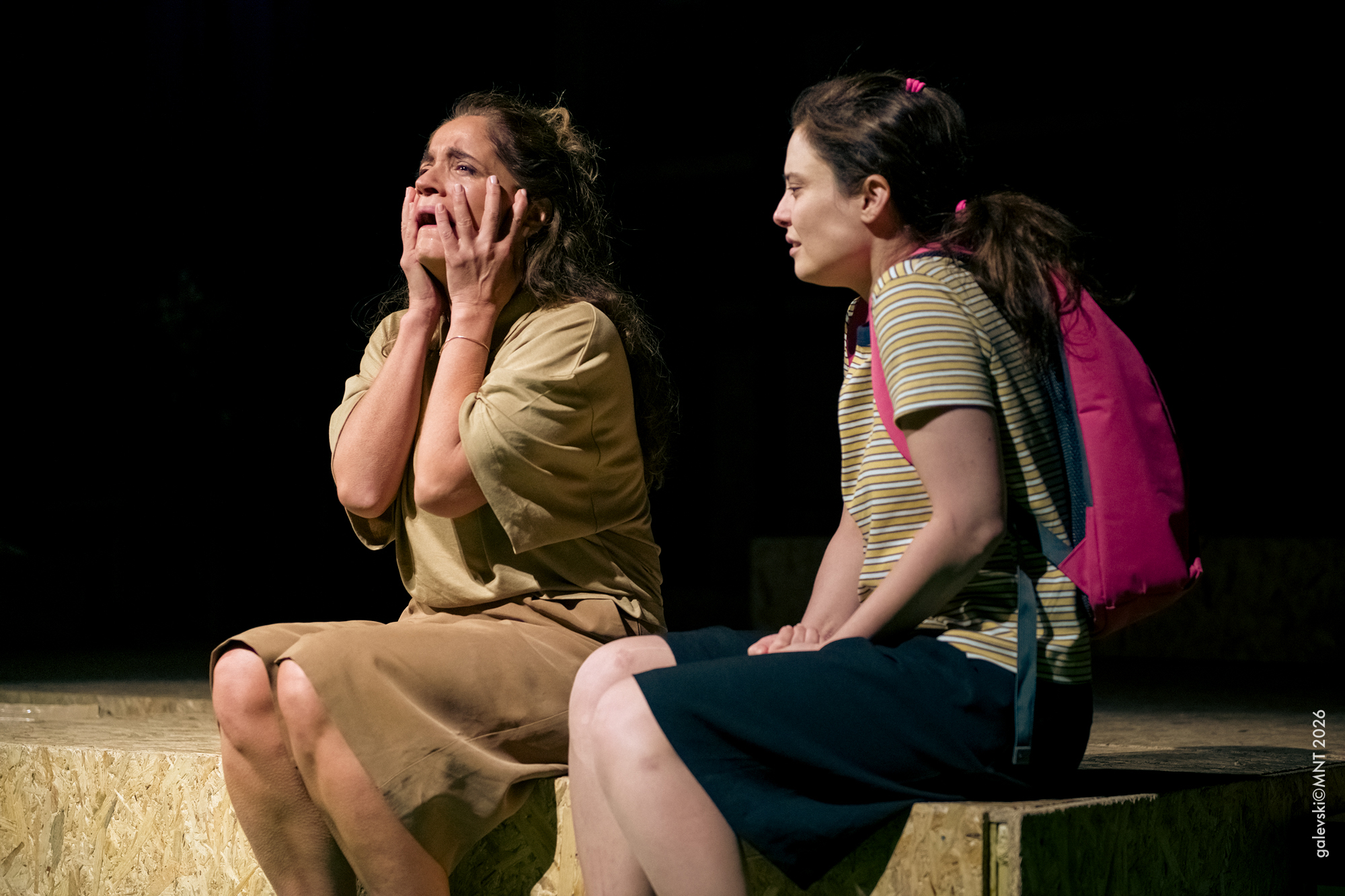
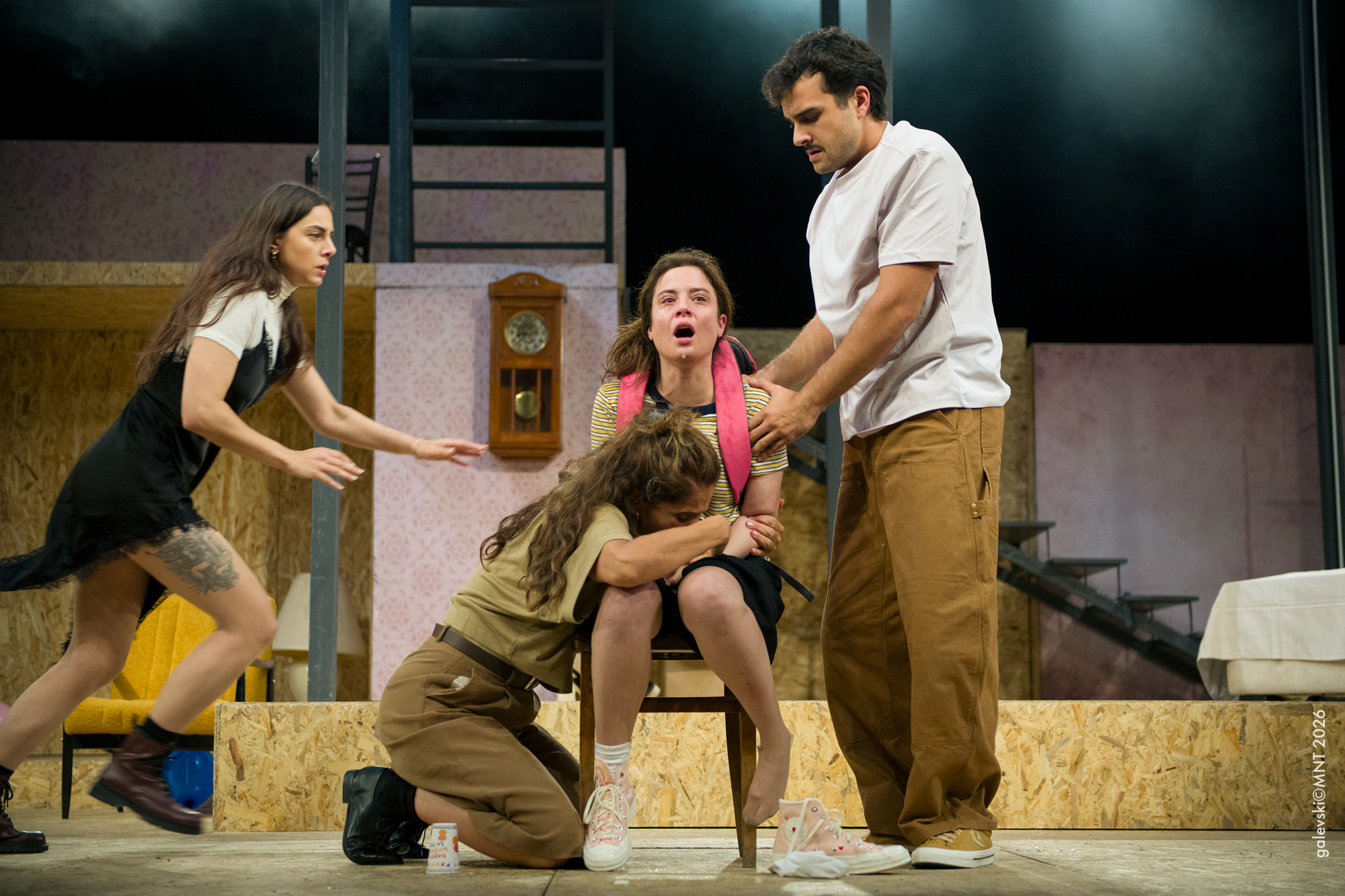
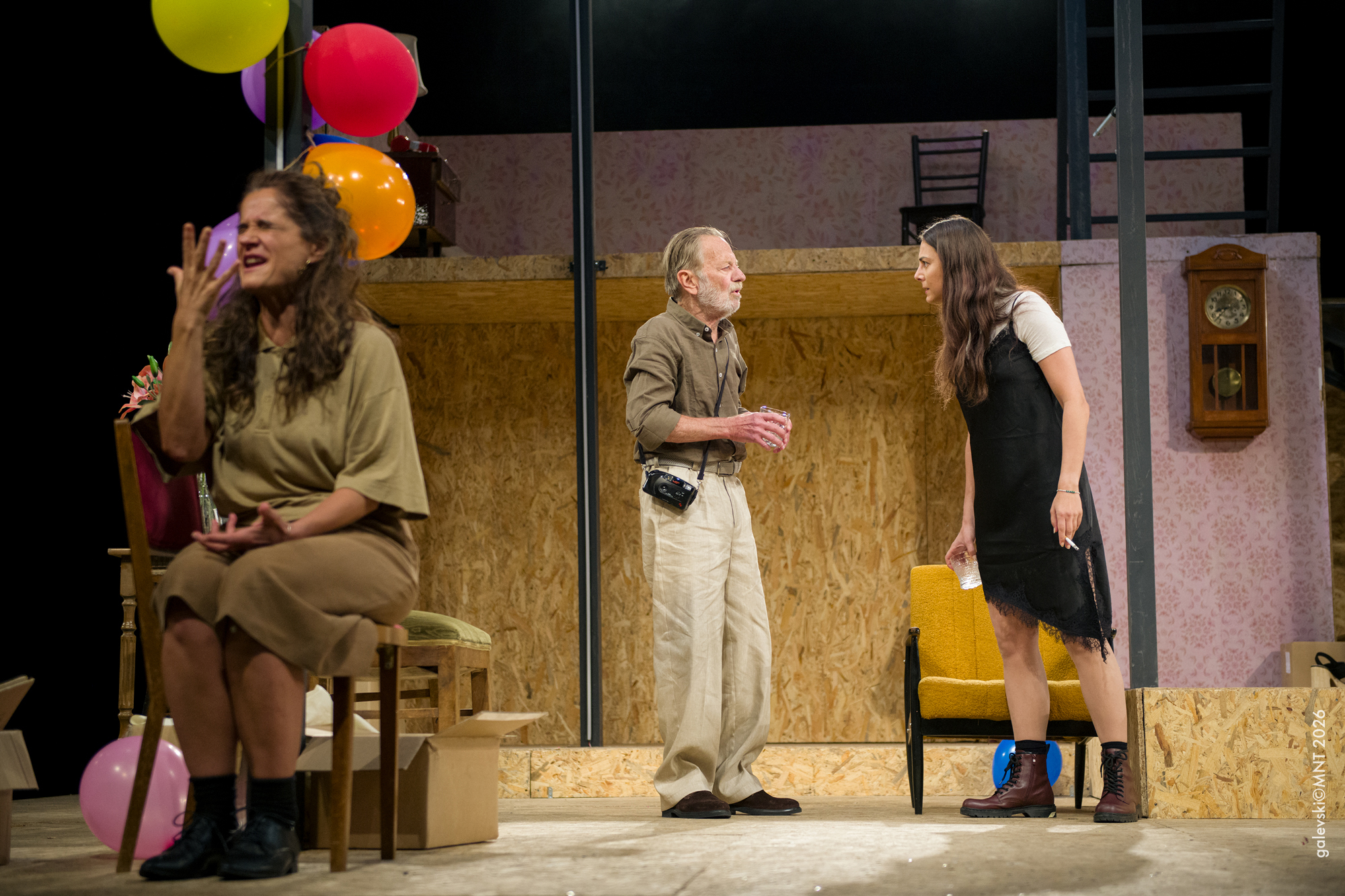
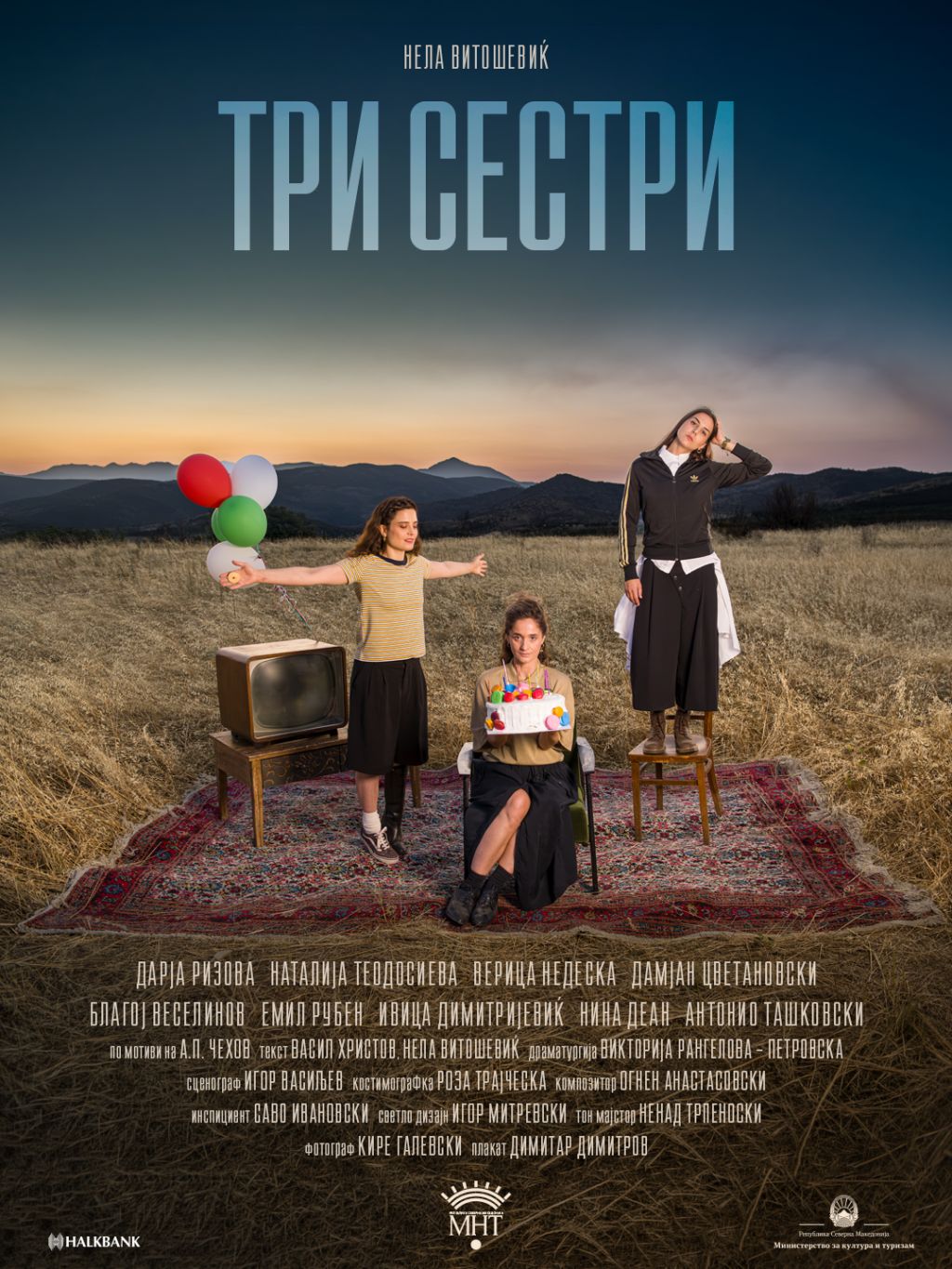
The Three Sisters is a play about people who feel that their lives have taken the wrong direction. It is about choices they regret, dreams they never fulfilled, and the hope for a chance to begin again. The characters long for a different life, but they cannot let go of the past. They live between memories of what might have been and hopes for what might still happen. At the same time, they are afraid that the future they dream of may never come. They are also caught between the values they grew up with and a changing world in which those values are slowly disappearing.
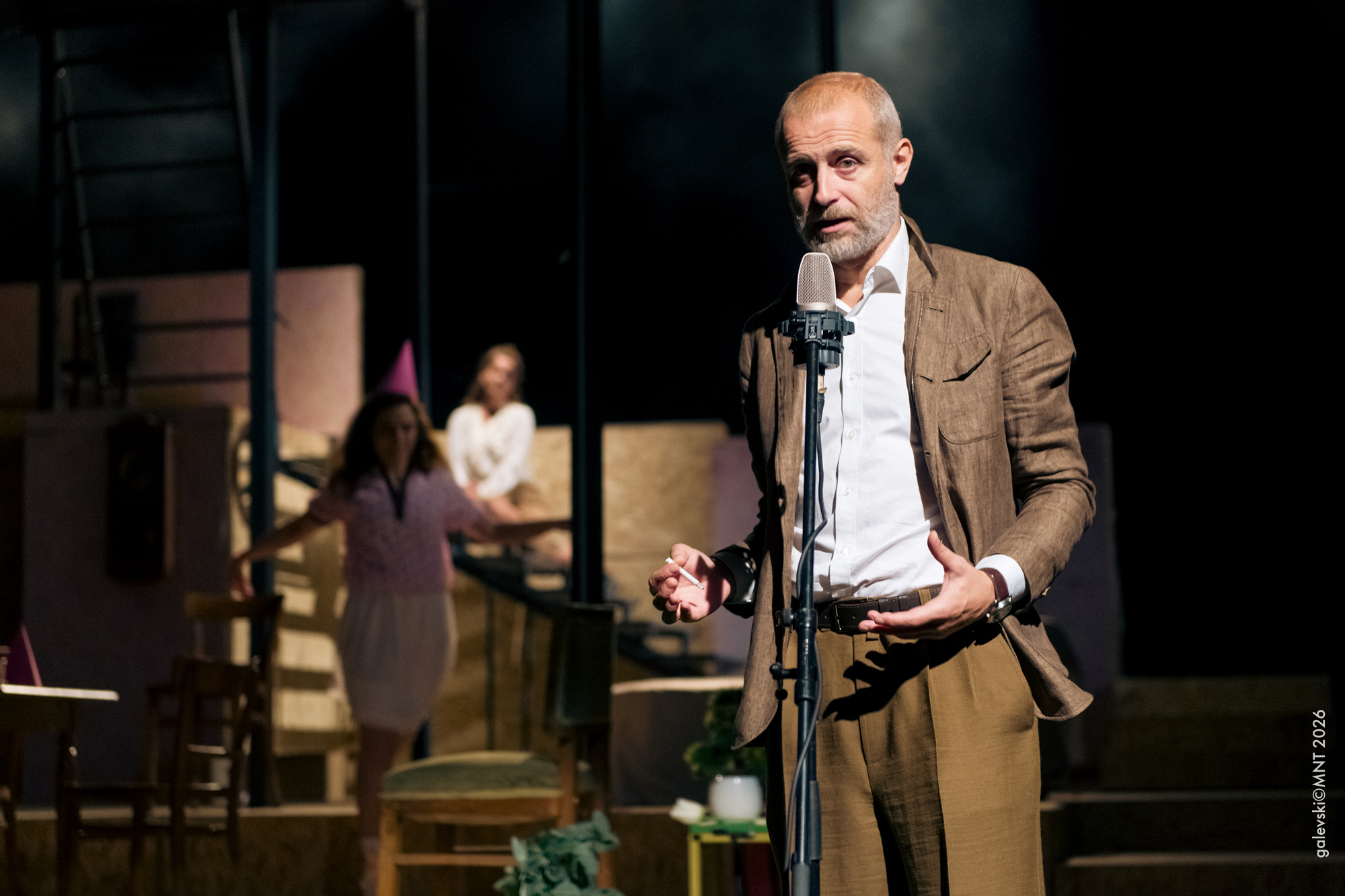
With The Three Sisters, I aimed to explore this sense of disorientation and alienation that defines so much of contemporary life, and to examine the personal and social crises behind it. I was interested in people who slowly drift away from their own desires, from the people they love, and eventually from themselves. What I recognize in this story is something profoundly present in our own time and place: generations who still dream of change, but are losing faith in the possibility of achieving it. Their struggle, however, is not merely personal. It is closely connected to the society they live in and the problems that surround them.
Through their failures, disappointments, addictions, fears and difficult relationships, the play moves beyond the personal and opens up questions about the world we live in. It speaks about a society that is losing its sense of direction, about values that are slowly disappearing, about loneliness and emigration, and about a world in which knowledge and hard work seem to matter less and less. Above all, it asks what happens to people when they begin to feel that they have less and less control over their own lives.
How much of our lives is shaped by the choices we make, and how much by the circumstances we cannot change? How responsible can we be for our lives when the world around us limits our choices? And when we feel lost, how much of that feeling comes from within us, and how much from the society we live in? Inspired by Chekhov’s The Three Sisters, the new text speaks directly about these questions. It looks at the crises of our time, at the gradual loss of humanism, and at a society in which knowledge, critical thinking and intelligence are slowly losing their place.
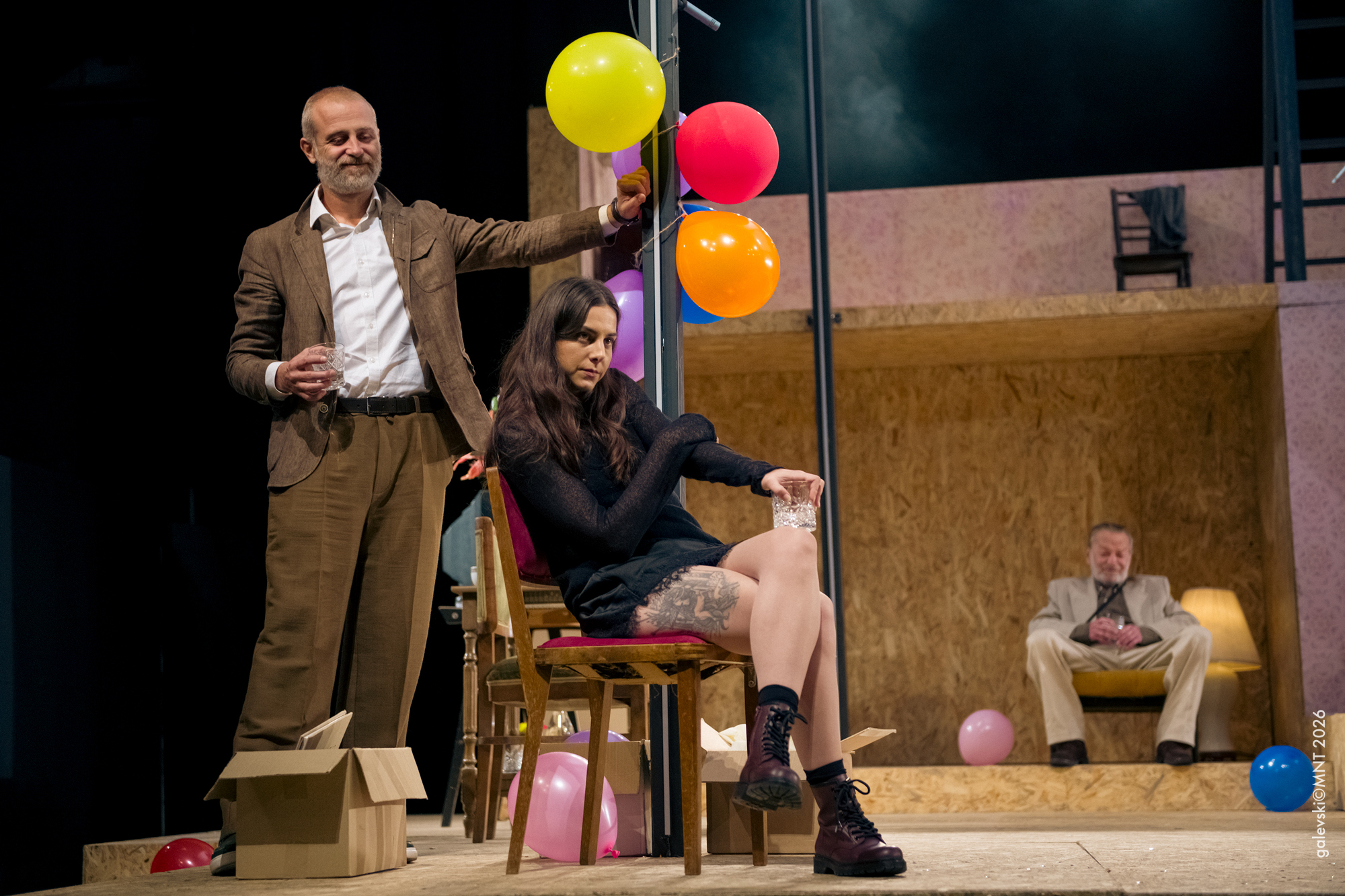
For me, The Three Sisters is therefore not simply the story of a family that cannot move forward. It is a story about people and about a society that have become trapped, unable to take the step that would change their lives. They know that something has to change. They talk about change. They dream of another place, another time, another life. And yet, no one leaves. They remain here. They often fail to understand one another. They want different things, carry their own wounds, and leave so much unsaid. And yet, beneath all these differences, they share the same fear – the fear of being alone. What separates them is also what keeps them close. Perhaps this is why the past becomes so important. When the future feels uncertain or too far away, we return to what we know. The past becomes a place where we keep the people we have lost, the lives we once imagined, and the things that never came to be.
This is where I see our The Three Sisters today: somewhere between the desire for change and the fear of taking the first step; between what we choose for ourselves and what the world chooses for us; between the past we cannot leave behind and the future we cannot yet see.
I am less interested in whether we can begin again.
I am more interested in what stops us from beginning.
Nela Vitoshevic, Director
CAST
Irina – Darja Rizova
Masha – Natalija Teodosieva
Olga – Verica Nedeska
Andrei – Damjan Cvetanovski
Alexander – Blagoj Veselinov
Ivan – Emil Ruben
Igor – Ivica Dimitrijevic
Natasha – Nina Dean
Nikola – Antonio Tashkovski
CREATIVE AND TECHNICAL TEAM
Director: Nela Vitoshevic
Dramatic Text: Vasil Hristov and Nela Vitoshevic
Dramaturge: Viktorija Rangelova-Petrovska
English Translation of the Dramatic Text: Marija Dimitrievska
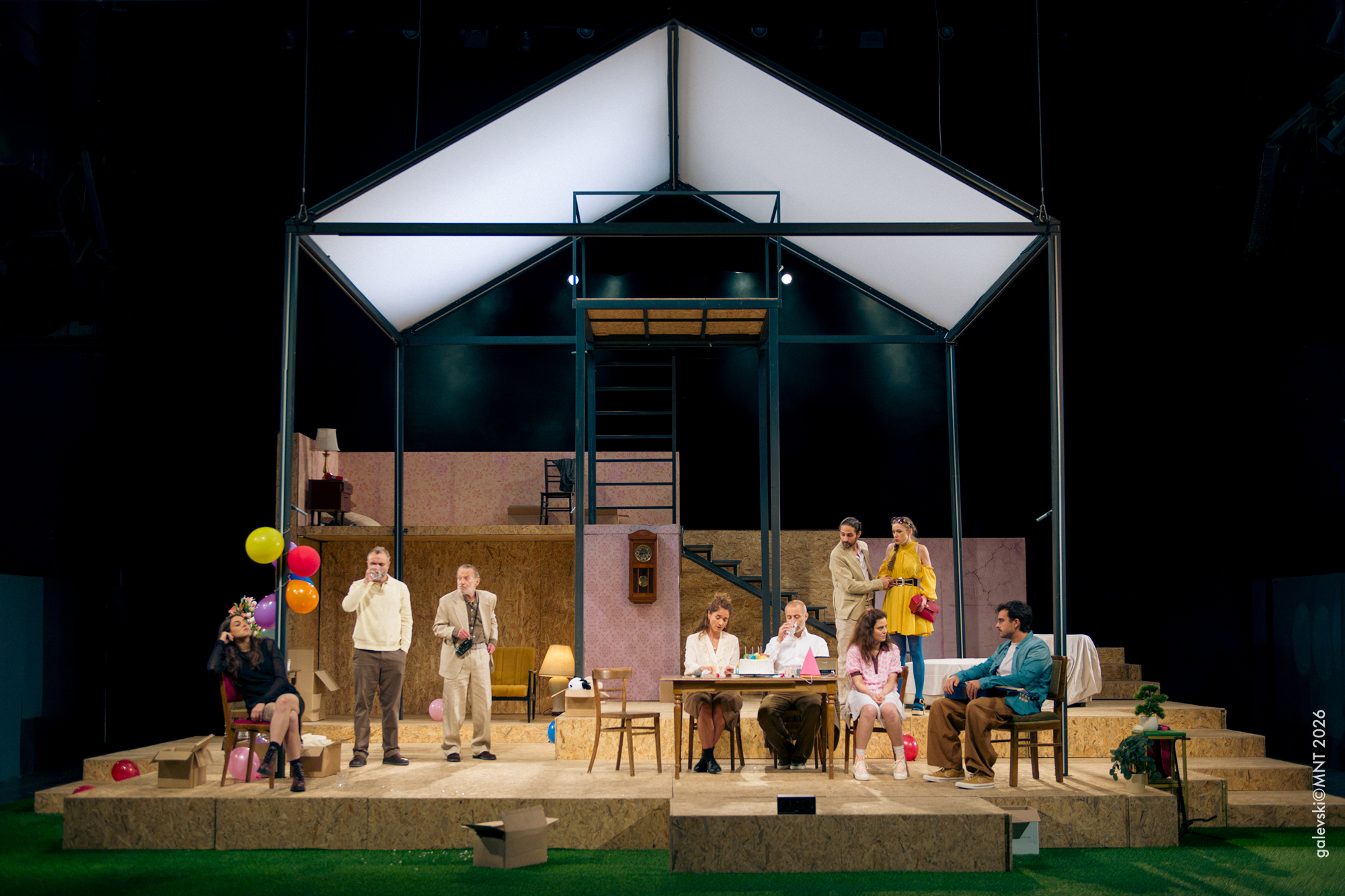
Set Designer: Igor Vasiljev
Costume Designer: Roza Trajchevska
Composer: Ognen Anastasovski
Executive Producers: Simona Ugrinovska and Viktor Ruben
Organizer: Tadea Pavlovska
Stage Manager: Savo Ivanovski
Prompter: Tanja Ivanovska
Photographer: Kire Galevski
Poster and Programme Designer: Dimitar Dimitrov
Programme Editor: Zagorka Pop-Antoska Andovska
Programme Proof-reader: Valentina Cvetkoska
English Translation of the Programme Texts: Marija Dimitrievska
Video and Photo Materials: Kristian Teodorov and Riste Pejovski
English Surtitles – Preparation and Live Cueing: Marija Dimitrievska
Technical Manager: Gunter Kube
Technical Coordinators: Daniela Atanasova and Jugoslav Aceski
Lighting Designer: Igor Mitrevski
Lighting Technician: Igor Gjorgiev
Lighting Technicians: Gorjan Temelkoski, Darko Mladenovski, and Vlado Kjulavkovski
Sound Technician: Nenad Trpenoski
Fly System Operators: Vasko Bojadziski, Goran Dimov, Trajce Tasevski, and Ivica Urdarevic
Wardrobe Assistants: Valentina Chonkova, Skender Berisha, Elizabeta Stamcevska, and Matej Petrovski
Prop Assistants: Snezana Grncharevska and Pavle Kralevski
Make-up Artists and Hairdressers: Branka Pljackovska, Lora Spasovska, and Monika Vuchkovic
Stage Workers: Vasil Meshkovski, Dejan Stamchevski, Nedzat Asan, Burhan Muaremi, Martin Kitanovski, Sinan Rakipovski, Ibrahim Ramanovski, Nerhan Osmanovski, Husein Halili, Zekirija Alim, Durmish Sefer, and Gorjan Zdravkovski
Set Construction Team: Tatjana Hristoska (Workshop Manager), Angel Petrovski (Sculptor), Darko Dukovski (Sculptor & Model Maker), Zoran Minovski (Blacksmith)
Head of General, Administrative and Legal Affairs: Vasil Rizov
General, Administrative and Legal Affairs Associate: Neda Rizova
Head of the Director’s Office: Despina Todorovska
Head of Finance: Kristina Ackovska
Head of Marketing: Sandra Stojmirova
Deputy Head of Marketing and Public Relations: Mila Angelkovic
International Relations Officer: Marija Dimitrievska
Senior Administrative Officer: Lejla Stankovic
Junior International Relations Officer: Abaz Abazi
Archivist: Aleksandra Shulevska-Gigevski
Procurement Officer: Tode Milevski
Driver: Bojan Milevski